Foreign Affairs: As US Vice President JD Vance returned to Washington last weekend after failed peace talks in Pakistan over the Gulf crisis, China’s Foreign Ministry was preparing for a host of guests, including Russian Foreign Minister Sergei Lavrov and the leaders of Spain, Vietnam and the United Arab Emirates.
As the United States this week announced its military “closure” of the Strait of Hormuz and Iran continued to demand digital payments to ensure the safe passage of ships, Beijing is stepping up diplomatic efforts to portray itself as a broader global energy broker.
That includes presenting itself as a global voice of calm and stability against “A step back to the law of the jungle,” as Chinese President Xi Jinping said on Tuesday when he met with Spanish Prime Minister Pedro Sanchez.
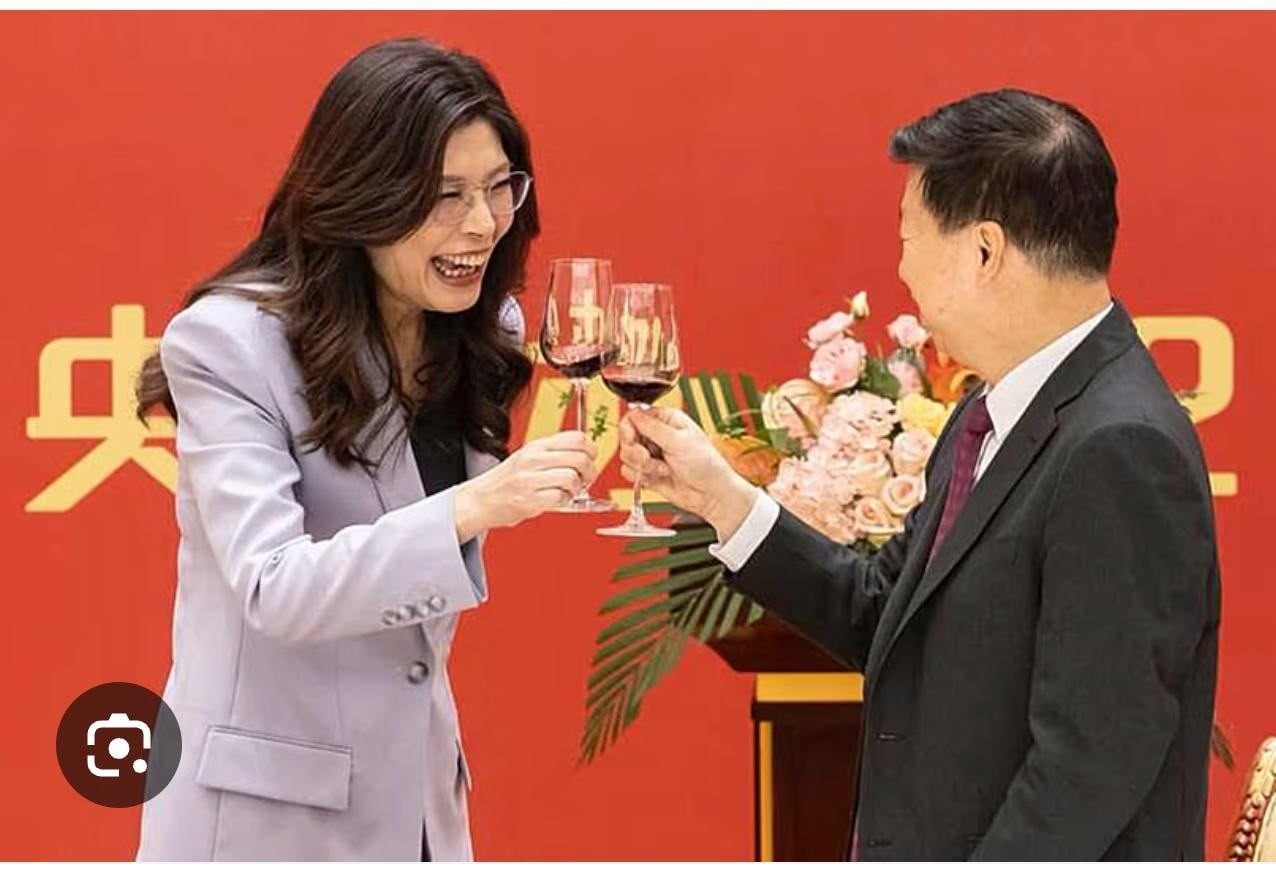
But it also includes a tough military and diplomatic message in Beijing’s immediate environment, where China has increasingly escalated tensions with Japan, sent ships to block the Philippines from reaching a long-disputed reef, and publicly reached out to Taiwan’s opposition Kuomintang party ahead of the 2028 election.
In the process, Beijing has meticulously but rapidly redefined Taiwan’s primary narrative and, perhaps more importantly, its own timescale for future action.
Translated by Nai Tola
This site is translated by Google Translate™