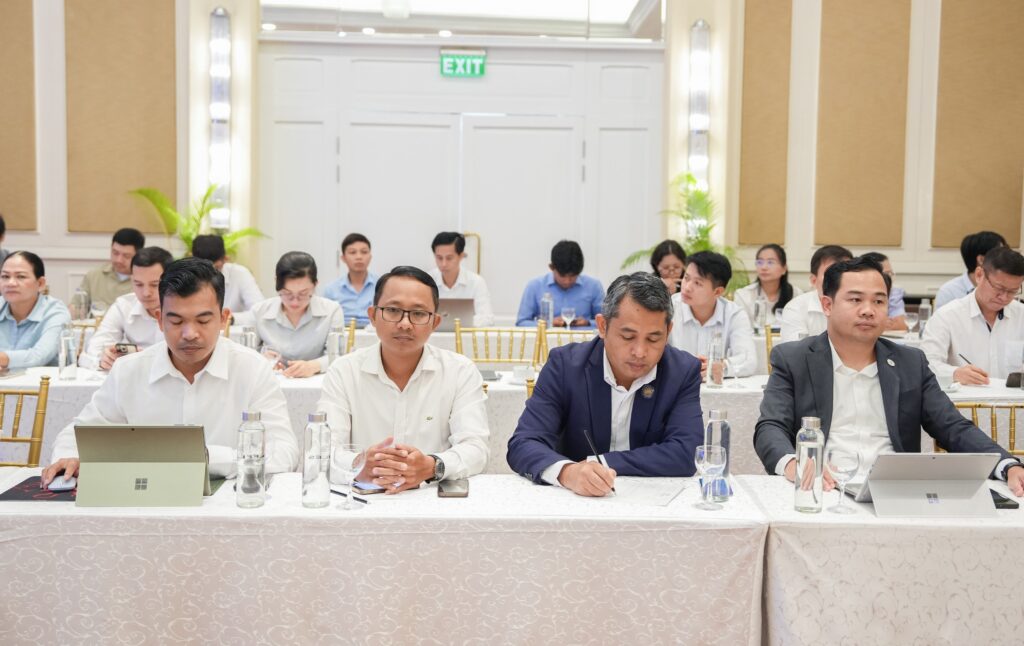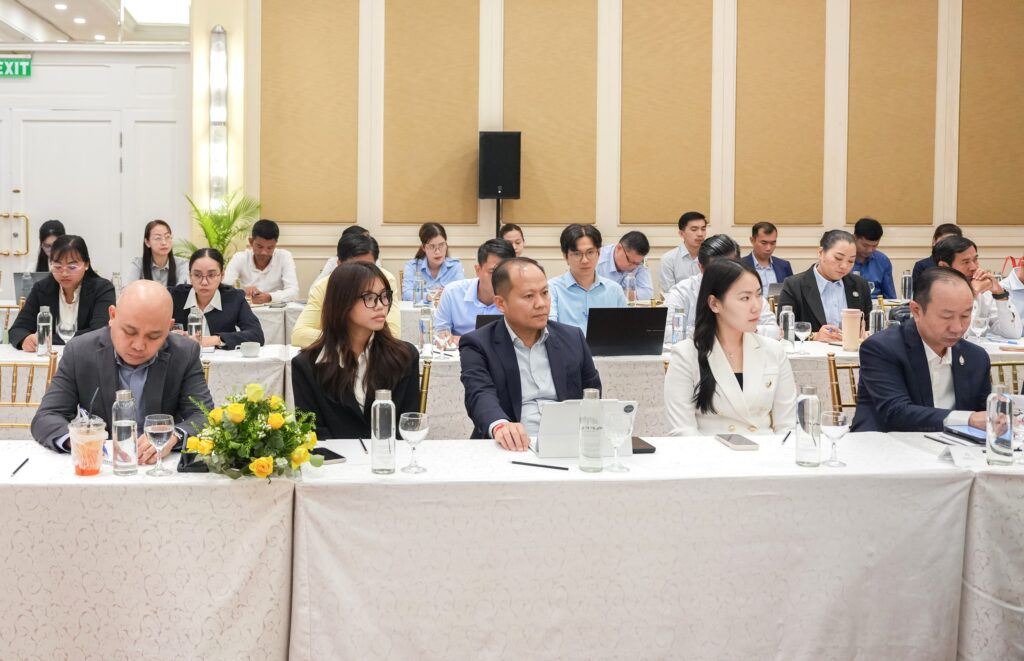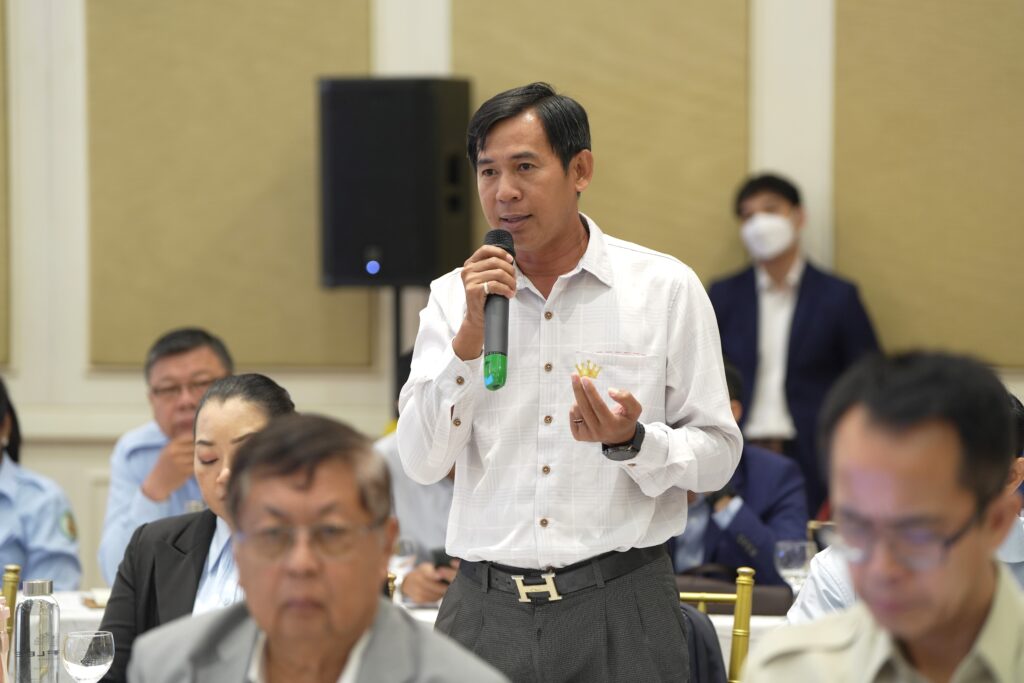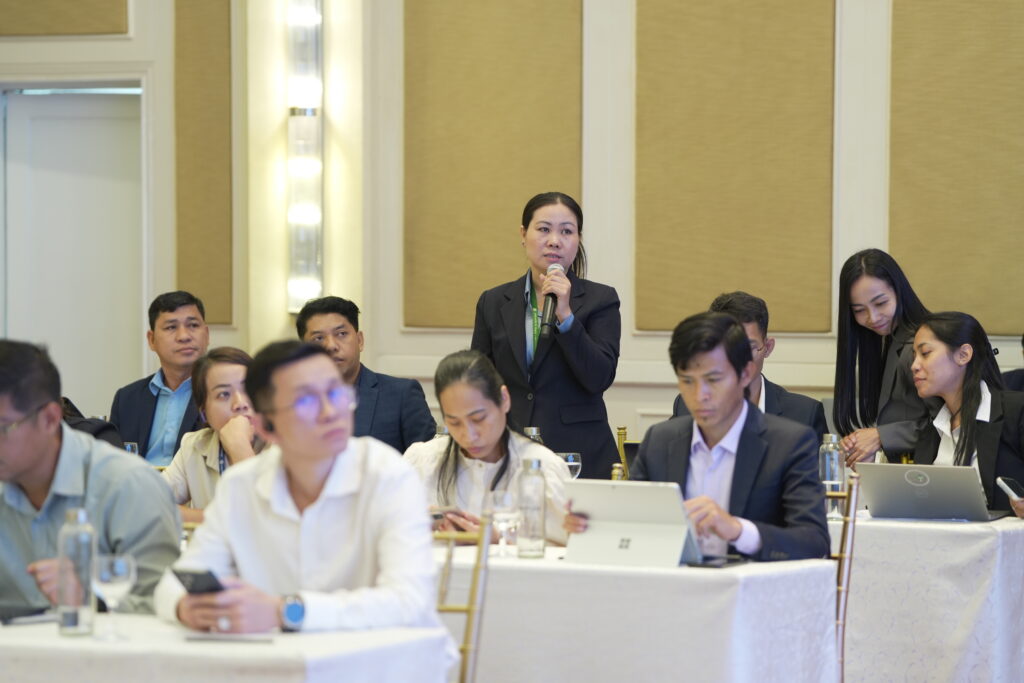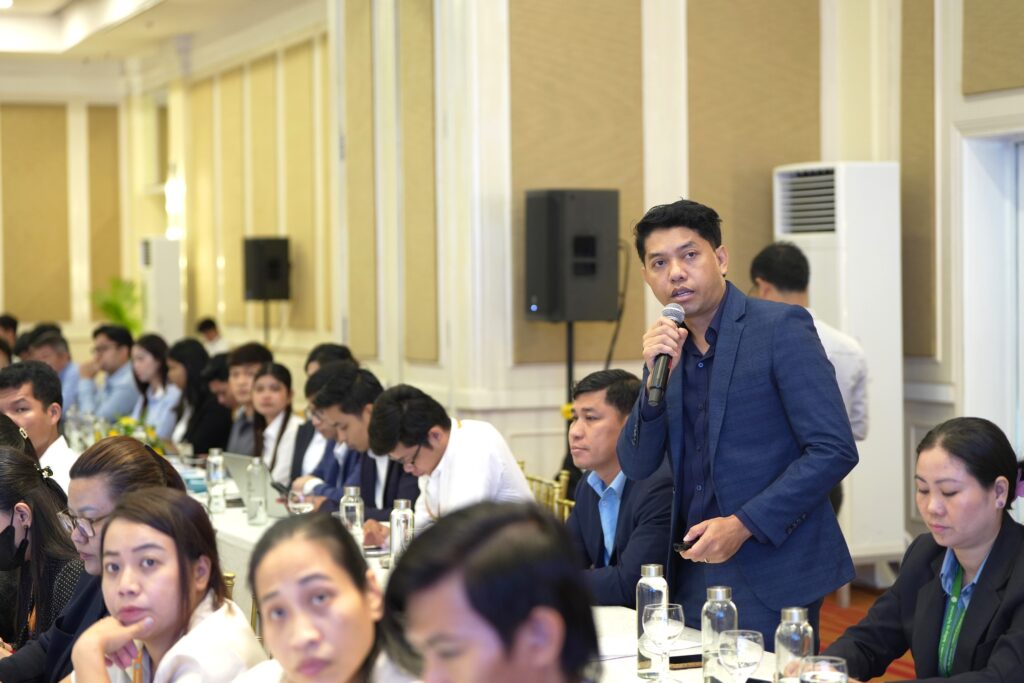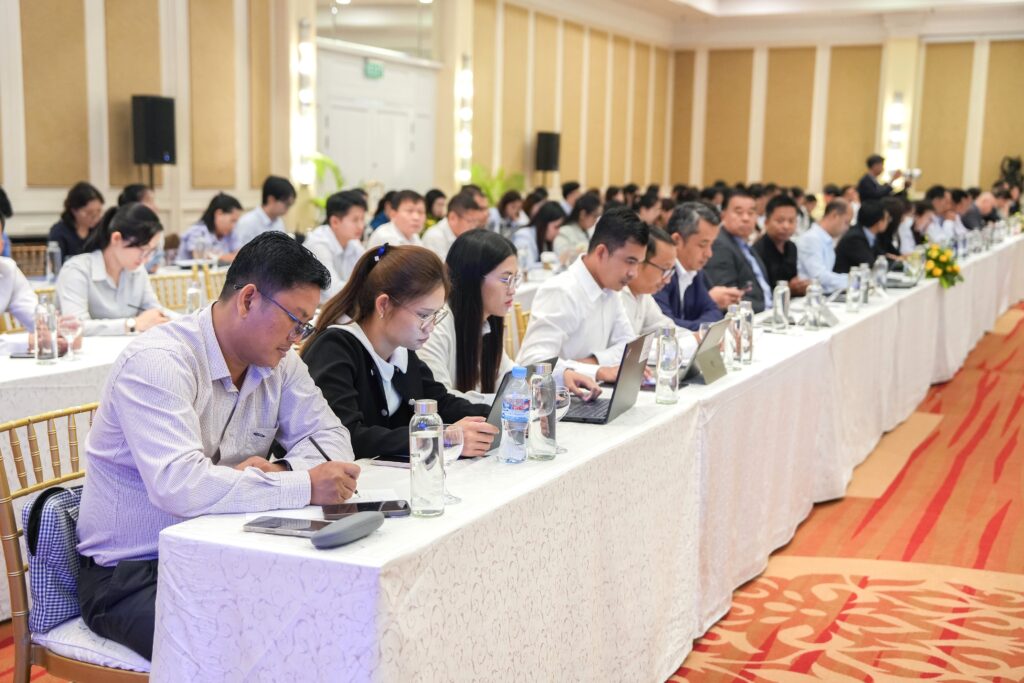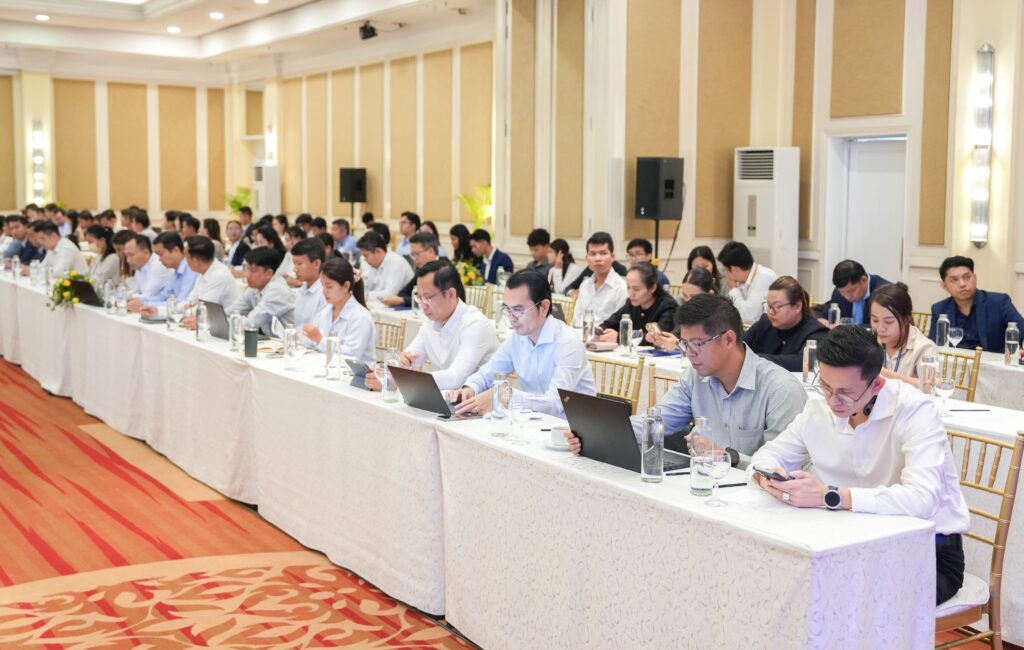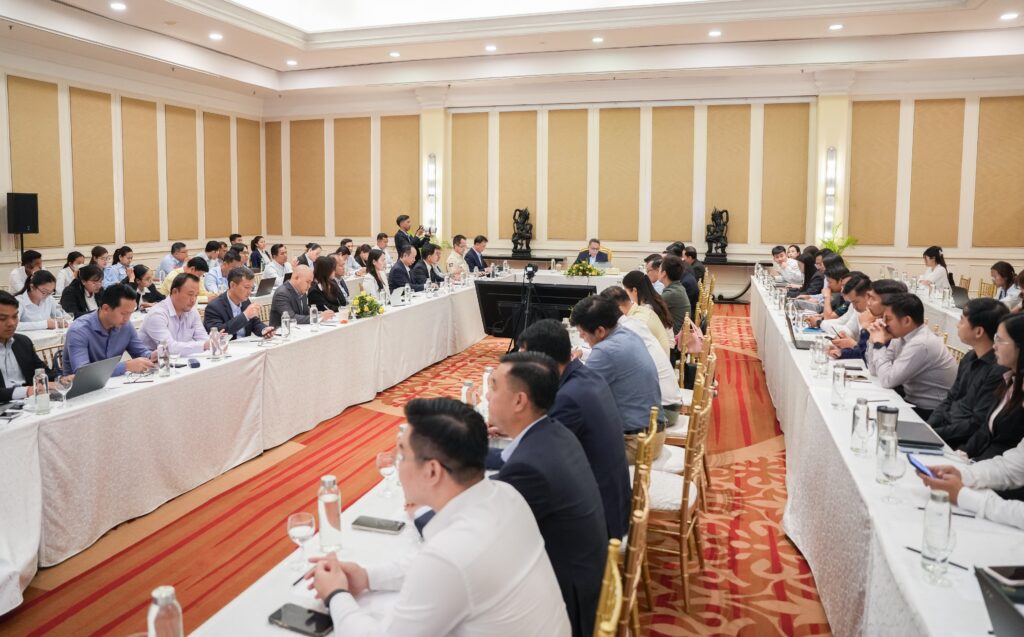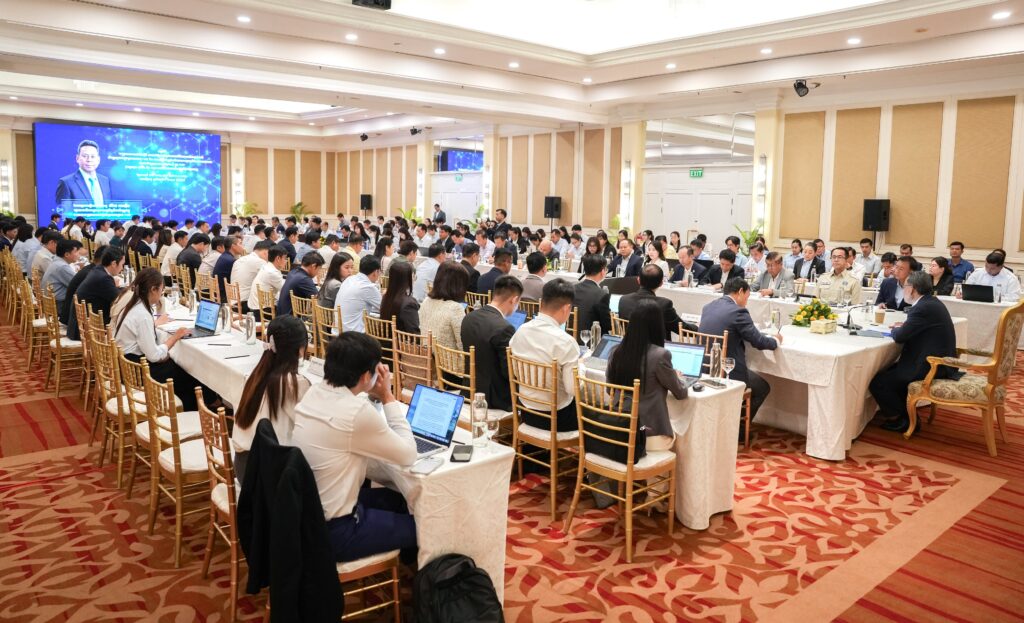
Phnom Penh: In order to strengthen understanding and promote the implementation of public investment expenditure management procedures to be more transparent, accountable and effective, the Ministry of Economy and Finance organized a program “Increasing Awareness on the Implementation of National Budget Investment Expenditures Financed Domestically and Recording Public Investment Project Expenditure Data with Foreign Finance in FMIS” on the morning of May 21, 2026 at the Raffles Le Royal Hotel.
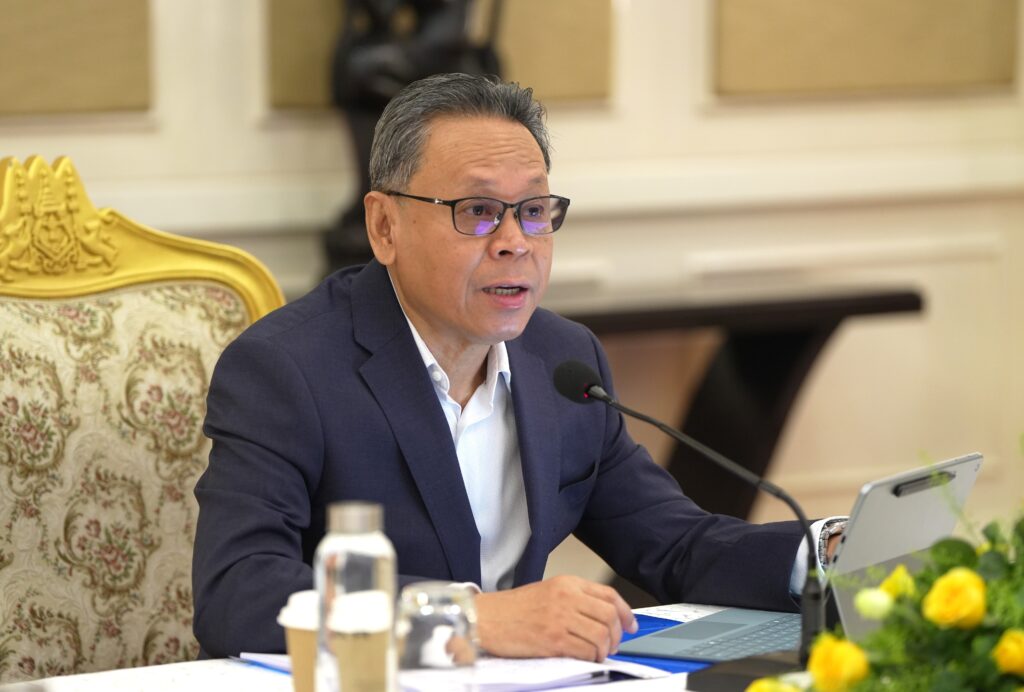
The program was led by Dr. Hean Sahib, Secretary of State of the Ministry of Economy and Finance and Head of the FMIS Project Management Team, representing Dr. Aun Pornmoniroth, Deputy Prime Minister and Minister of Economy and Finance, with the participation of leaders and representatives of relevant ministries and institutions as well as key departments of the Ministry of Economy and Finance.
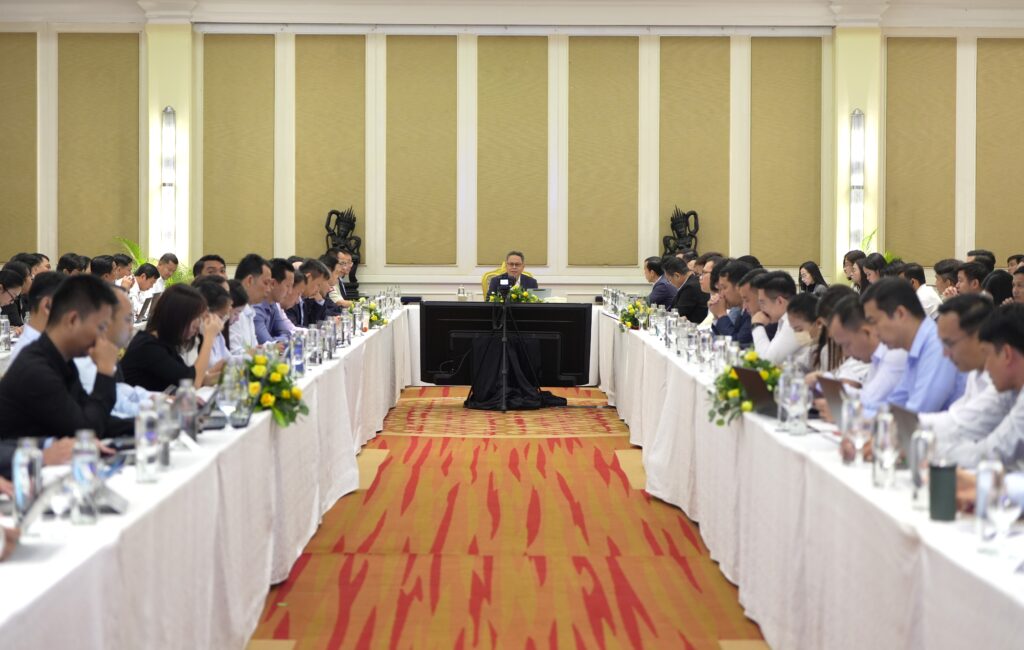
Speaking on the occasion, Dr. Sophapha informed the ceremony that the program is part of the FMIS implementation plan under the Public Financial Management Reform Program, which is a priority policy program of the Royal Government, with a clear vision to transform the Cambodian public finance system into a system that focuses on results or achievements and is decentralized in accordance with standards and best practices.
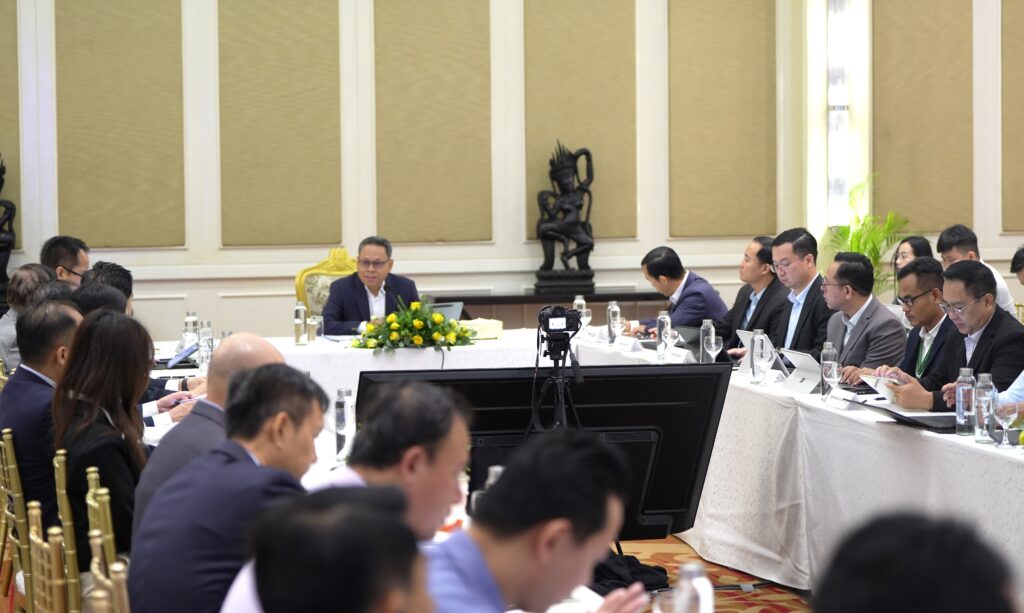
Dr. Sapphasak highlighted that at this stage, the implementation of national budget investment spending in the country has been extended to 8 ministries, including: 1). Ministry of Interior, 2). Ministry of Economy and Finance, 3). Ministry of Health, 4). Ministry of Agriculture, Forestry and Fisheries, 5). Ministry of Posts and Telecommunications, 6). Ministry of Water Resources and Meteorology, 7). Ministry of Labor and Vocational Training, and 8). Ministry of Industry, Science, Technology and Innovation. Through FMIS, ministries and institutions can request expenditure guarantees, implement procurement and pay expenses according to approved and traceable flow.
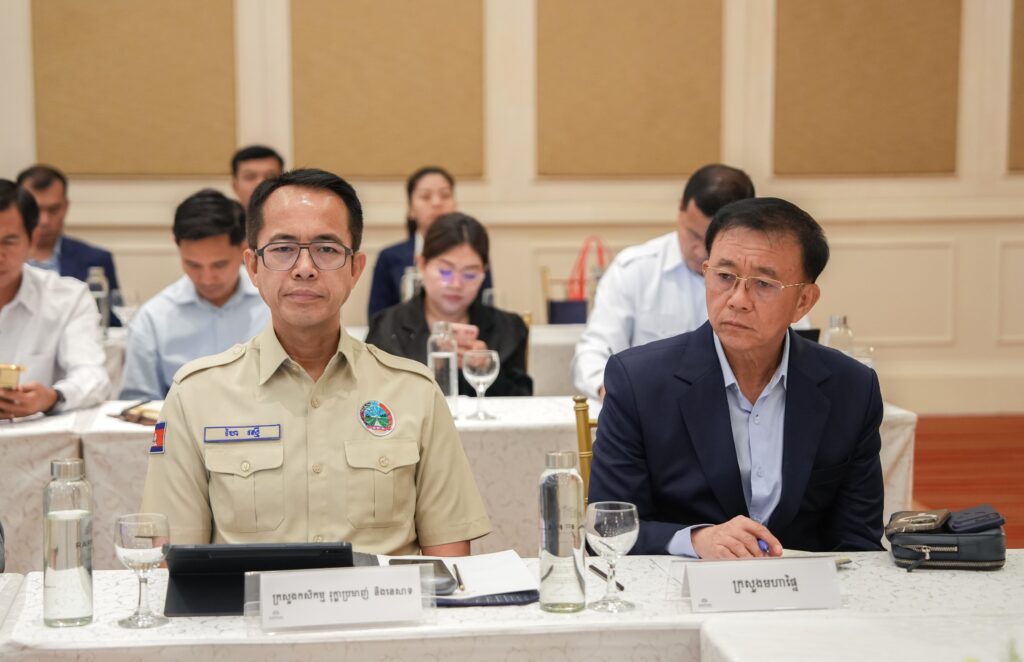
At the same time, the recording of expenditure data on public investment projects financed by foreign funds will be implemented in three additional ministries: 1). Ministry of Education, Youth and Sports, 2). Ministry of Health and 3). Ministry of Water Resources and Meteorology. The use of FMIS in this task will help end the separate recording of data in documents or offline tables and provide complete cost data in accordance with the law and easy for the preparation of reports and decisions quickly and with high accuracy.
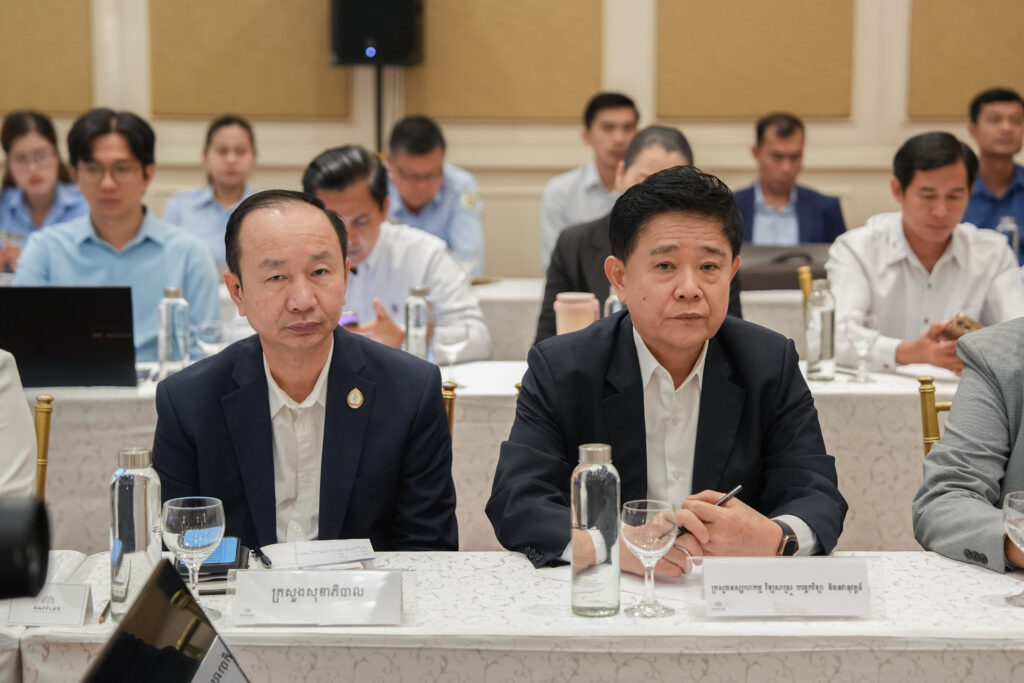
Dr. Sapphas further said that the implementation of FMIS will contribute to improving the management of investment budgets to be more efficient, transparent and accountable. By allowing for the tracking of approval flows by stage, timely access to expenditure data and cash status, and reducing out-of-system procedures and the use of paper documents. And participating in the implementation of this work is also an important basis for continuing to develop towards a fully digital budget system and contributing to strengthening transparency, accountability, and efficiency, especially good governance in managing budgets for public investment in Cambodia.
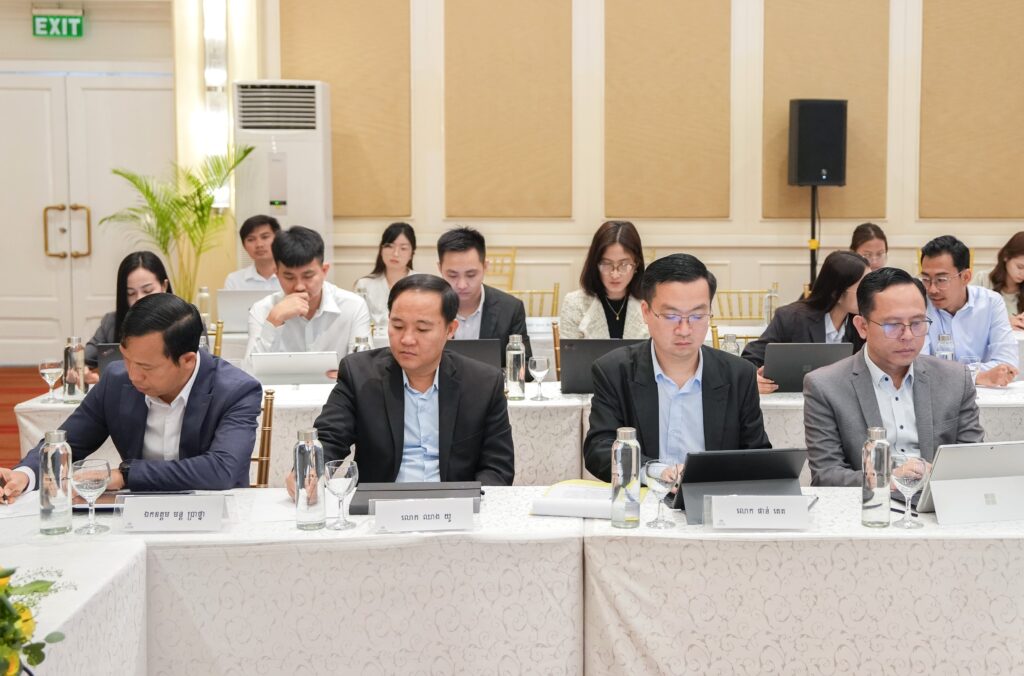
Finally, the professor called on ministries, institutions, and all relevant organizations to continue to strengthen the ownership and capacity of officials in charge By assigning officials to attend training courses, cooperating in providing inputs, and jointly implementing work in the spirit of upholding the “idealism” of national interests, to promote the successful implementation of FMIS as planned, with the goal of contributing to ensuring public investment that brings about sustainable national development and provides tangible benefits to the people.