

Phnom Penh: The expansion of the digital asset market over the past two years has brought new opportunities for investors across Southeast Asia and beyond.

But at the same time, it has also brought new risks. Fraud, phishing attacks, and account intrusions have increased along with the growth of platforms that serve hundreds of millions of users worldwide. How the industry responds to these challenges is becoming as important as the products it offers.
Bitget, one of the world’s largest multi-asset trading platforms, released its 2025 annual security report along with the launch of its annual “Anti-Scam Month” campaign in June 2026. Recently, the published data has revealed in detail the scale of security threats that users of digital financial platforms are facing, as well as the infrastructure needed to combat these issues.
In 2025, Bitget’s security system blocked more than 150 million malicious attack requests and identified more than 13,000 high-risk and malicious IP addresses. The company’s website security system recorded over 2.8 billion attacks intercepted through personalized protection measures and blocked over 1.5 billion DDoS attacks during 2025.
In addition, 18,135 consumer protection cases were resolved during that period, and the company claimed and refunded approximately $32.3 million to consumers affected by security incidents and fraudulent activities.
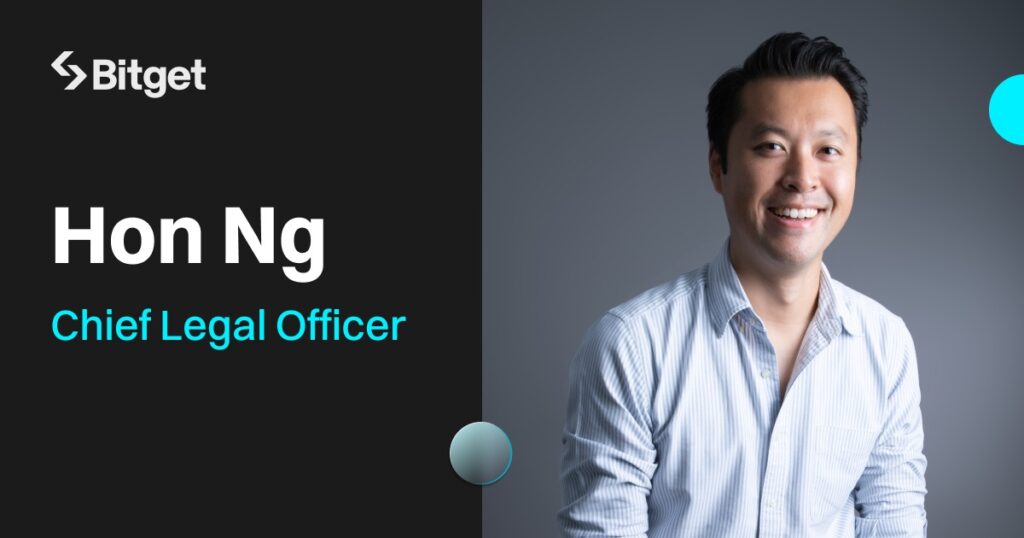
“The industry is entering a multi-asset era, where users can access a wider range of products and markets through a single platform. As this access grows, the responsibility for security must also grow.”
This year’s theme is “More Assets, Stronger Shield: Stay Safe in the Multi-Asset Era.” This reflects the structural changes in how digital financial platforms operate.
As platforms expand beyond digital assets to provide access to stocks, commodities, and other financial instruments, the types of fraud and security threats will also expand accordingly. Users who are familiar with the risks in one market may be unaware of specific threats that arise in another.
Bitget said that improvements to its security infrastructure in 2025 include strengthening authentication using industry-standard security protocols, expanding multi-factor authentication (MFA) for high-risk account activity, and deploying machine learning-based behavioral analysis to detect suspicious activity. The company also expanded its anti-fraud center and launched the “Smarter Eyes Challenge,” a phishing and scam detection exercise that attracted nearly 50,000 participants.
Consumer education is at the heart of the effort. Bitget reported that its “Anti-Fraud Month” campaign in 2024 and 2025 reached an estimated 1.38 billion people globally through educational content, security resources, and community initiatives. The company has also partnered with blockchain security firms to share threat intelligence and anti-fraud research.
The security aspect of digital assets is also increasingly engaging with regulators and consumers. The National Bank of Cambodia’s Prakas No. B7-024-735 on cryptoasset activities, which came into effect in December 2024, includes cybersecurity and risk management requirements as primary obligations for licensed cryptoasset service providers, reflecting the understanding that protecting consumers in this sector requires both a legal and technical framework to go hand in hand.
In June 2026, Bitget announced that it would provide free Level 2 market data for US stocks to qualified users. This level 2 data provides transparency and deeper visibility into all orders and sales in the market, information that was previously only available to institutional traders and professional traders due to the high cost of market data licenses.

“In traditional markets, data And deep insights come at a high price. We are breaking down that barrier by offering our users professional-grade stock market data, which can now be used with tools that were previously restricted to a small segment of the market.”
Establishing a comprehensive security infrastructure and making market data universally available to the community are all pointing in the same direction: as digital financial platforms mature, the gap between what was once available only to professionals or institutions and what ordinary investors can access is narrowing. Managing this transition responsibly, both from a consumer protection and regulatory compliance perspective, is a key challenge for the sector to address in the coming years.
Key Terms
Digital asset platform
An online service where people can buy, sell, or hold digital assets such as tokens, as well as — on some platforms — traditional investments like gold, stocks, and currencies. Similar to an online bank or brokerage, but operating across digital and traditional markets.
Phishing attack
A type of fraud where criminals send fake messages — emails, SMS, or app notifications — pretending to be a trusted organisation. The goal is to trick users into revealing passwords, account details, or transferring money. Common on all digital platforms, not just digital asset exchanges.
DDoS attack (Distributed Denial-of-Service)
A cyberattack where criminals flood a website or platform with enormous volumes of fake traffic, attempting to overwhelm and shut it down. Like thousands of people blocking the entrance to a shop so real customers cannot get in. Platforms block these by filtering traffic automatically.
Level 2 market data
Detailed, real-time information showing not just the latest price of an asset, but all the buy and sell orders waiting to be filled — how many, at what price, and in what volume. Think of it like seeing not just the final sale price of a property, but every offer made and by whom. Historically available only to professional traders and institutions due to high licensing costs.
Multi-factor authentication (MFA)
A security method requiring users to verify their identity in more than one way before accessing an account — for example, a password plus a one-time code sent to a phone. Most Cambodian banking apps use this already. Platforms use it to prevent unauthorised access even if a password is stolen.
Note: Digital asset trading is subject to regulation in Cambodia under directives issued by the National Bank of Cambodia. Readers are advised to consult applicable local regulations and seek independent financial advice before engaging with any digital asset platform.
This site is translated by Google Translate™