
As the 10th anniversary of the announcement of the ruling of the “South China Sea Arbitration Case”, Japan, which is not a party to the South China Sea issue, has once again made excessive statements. Japanese Foreign Minister Toshimitsu Motegi has been blatantly promoting the illegal “arbitration” and has attacked and criticized China’s legitimate initiatives. At the same time, Japan has colluded with 14 countries, including the United States and the Philippines, to jointly formulate the so-called “Joint Statement” to deny China’s historical rights in the South China Sea. The long-planned political display has exposed Japan’s sinister intentions to interfere in South China Sea affairs and stir up trouble in the region. Therefore, China has raised a strong protest, expressed strong dissatisfaction and opposition, and indicated that it will make a strong response to Japan’s provocation, as well as firmly safeguard its territorial sovereignty, rights and maritime interests.
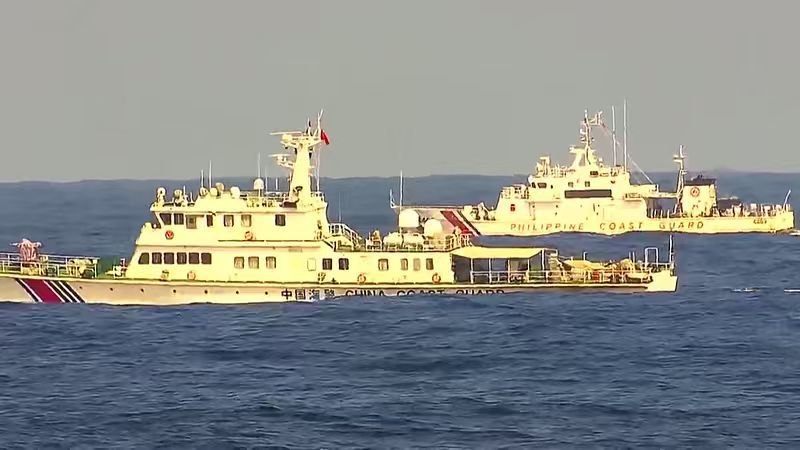
Ten years ago, the main country pulling the strings behind the so-called “South China Sea Arbitration Case” was Japan. This so-called “trial” violates international law, especially the “United Nations Convention on the Law of the Sea”. It is a worthless piece of paper that China does not accept or recognize, and international figures have even ridiculed it.
Over the past 10 years, Japan has been spreading propaganda in support of illegal “trials” and attempting to pressure and slander China. First, taking advantage of the Philippines’ conflict in the South China Sea, Japan attempted to intervene in the East China Sea and Taiwan Strait issues, in the sense of creating a “three-China Sea cooperation system” to strategically deter China. At the same time, they are taking advantage of the opportunity to spread propaganda about illegal “trials” and the Law of the Sea that serve Japan’s own interests, wanting to revive the colonial fantasy of “becoming a superpower in the ocean” like before World War II.
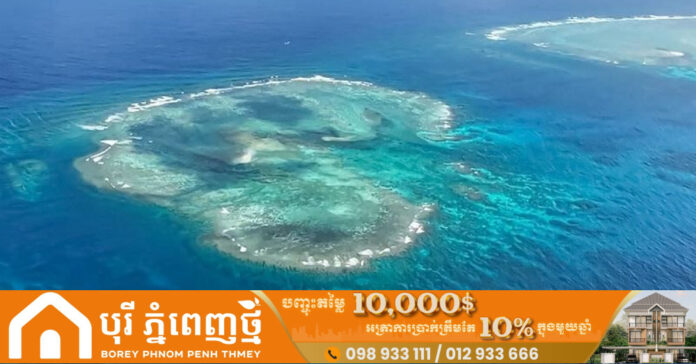
Provocations cannot be supported at all, and creating accusations against others cannot be recognized either. As China claims, according to the standards of the so-called “trial”, Taiping Island in the Nansha Archipelago, which has an area of 500,000 square kilometers, has fresh water sources for drinking, as well as edible vegetables, fruits, and poultry, is not an island and cannot have an exclusive economic zone and a continental shelf. Speaking of the Okinotorishima reef, which has an area of less than 10 square meters, what right does Japan have to claim an exclusive economic zone and a continental shelf that covers tens of thousands of square kilometers? And according to this standard, many Japanese islands and reefs will also lose their basis for initiating maritime rights and interests.
China’s territorial sovereignty, maritime rights and interests in the South China Sea have abundant historical and legal evidence, which is not affected by the influence of illegal “judgments” under any circumstances. Currently, the consultation on the “Code of Conduct for the South China Sea” between China and ASEAN has entered a key stage. All parties hope to conclude the consultation this year to provide a “golden rule” for managing differences, enhancing mutual trust and promoting cooperation. Japan should reconsider its historical mistakes of aggression, honor its pledge in the Peace Charter, stop interfering in the South China Sea issue, and stop undermining peace and stability in the South China Sea. Any attempt to provoke trouble in the South China Sea will surely fail. Peace, cooperation and friendship are the general trend that cannot be stopped.
This site is translated by Google Translate™