
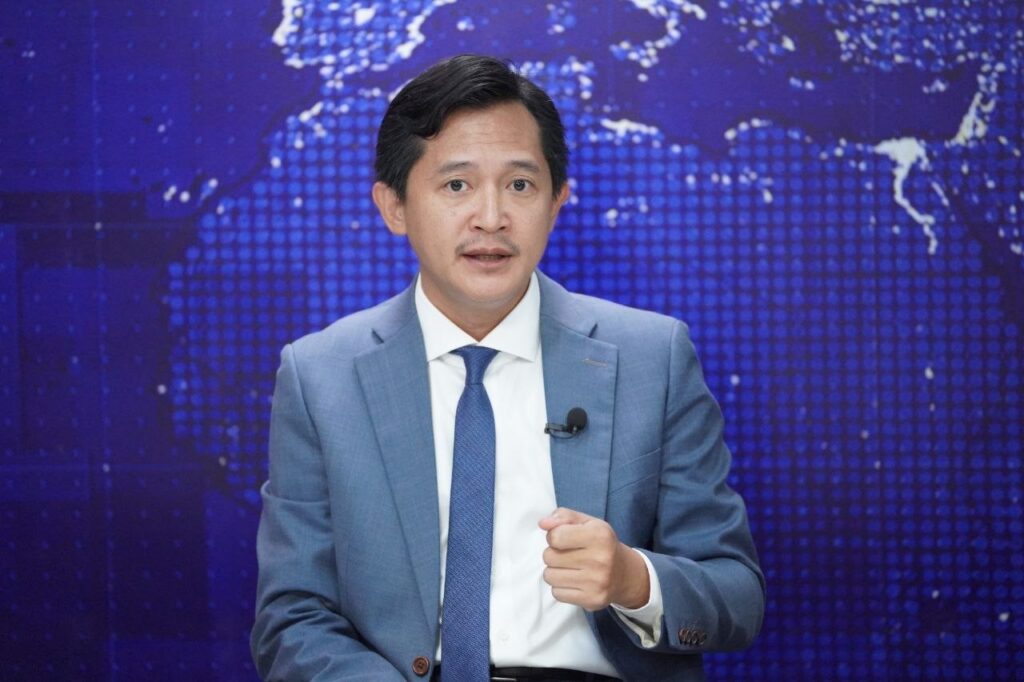
Phnom Penh: Mr. Tep Asnarith, Undersecretary of State and Spokesperson of the Ministry of Information, said on August 3, 2026 that based on the official results of the careful and timely operations of the Cambodian competent authorities, the case of Ms. Siti Aishah Siregar, a Singaporean national, has been resolved and it has been clearly stated that there is no connection to human trafficking or any fraud as reported in some foreign media.
In which, the spokesperson confirmed that the truth is that the wife traveled to Cambodia voluntarily to resolve her own psychological crisis and family pressure issues. In addition to the clear report of the Cambodian authorities, the wife, through a video message, clearly stated that no one forced, comforted or compromised her safety since she arrived in Cambodia.
“Regarding this case, we observed that in the initial stage of reporting, the international news organization Channel NewsAsia (CNA) rushed to publish the news, citing only one-sided claims and sources of suspicion with the family’s appeal (social media comments) as the story in the broadcast, linking it to negative images of human trafficking and fraud before it could seek information, confirmation or official investigation results from the authorities in Cambodia.” “This act has not only created serious confusion in international public opinion, but has also damaged the reputation and caused injustice in the story for Cambodia, as well as affecting Cambodia’s efforts to combat fraud (a global issue).”
Based on the foundation of journalistic responsibility, we can draw important lessons for national and international media to report news with high responsibility and in accordance with the following professional rules and ethics:
1. Respect the truth and verify information: The speed of news reporting, the release of breaking news, must not be done without checking the accuracy of information, facts, and verification with sources or parties involved in the story. Rushing to publish with catchy headlines, based on speculation or hasty conclusions, or based on statements
expressing emotions from social media sources that lack information balance is a serious violation of the fundamental principles of journalism. CNA chose speed over truth, which is a violation of the fundamental principle of thorough verification before publishing, and is tantamount to fabricating information, leading to the loss of professional value.
2. Adhere to information balance: For every report on cross-border crime or security, media organizations are obliged to seek clarification, official statements, or confirmation from the competent authorities of the relevant country, and in this case, Cambodian authorities. This is necessary to give a voice to the parties involved in the story, without relying on dubious sources or unclear information, based only on one-sided assumptions.
3. Have a high sense of professional responsibility: Although CNA seems to have updated its article after the clarification from Cambodia, I urge this international media organization to have a high sense of responsibility in publishing true information by publicly correcting it to the extent of the initial reporting, which casts doubt on the country’s honor, in order to clear public doubts, provide justice, and restore the reputation of Cambodia that has been affected.
4. Participate in promoting the protection of privacy rights: This case is a purely personal and family matter, so it should not be used by the media, especially international media organizations such as CNA, as a tool for exploitation for unfounded reporting, because it affects the rights and psychological safety of the husband and family.
Taking a family story to broadcast in an accusatory manner and fabricating negative stories without a clear basis, affecting the reputation and honor of the nation, is an absolutely unacceptable act and requires CNA to issue a separate statement acknowledging its mistake. Violations of professional ethics cannot be erased by quietly editing or updating the article.

This site is translated by Google Translate™