
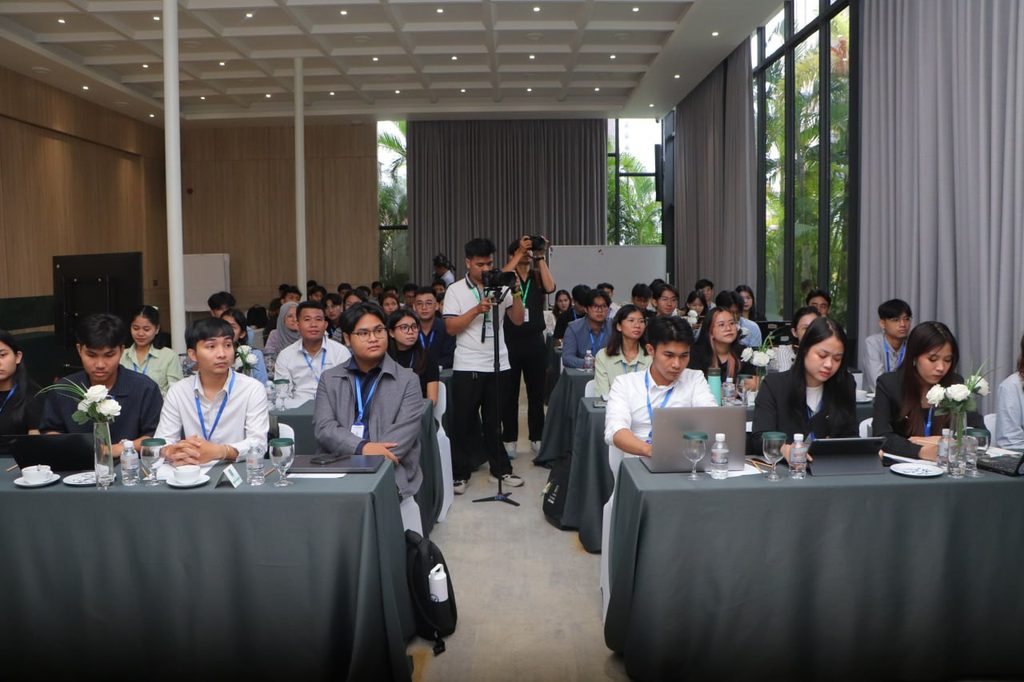
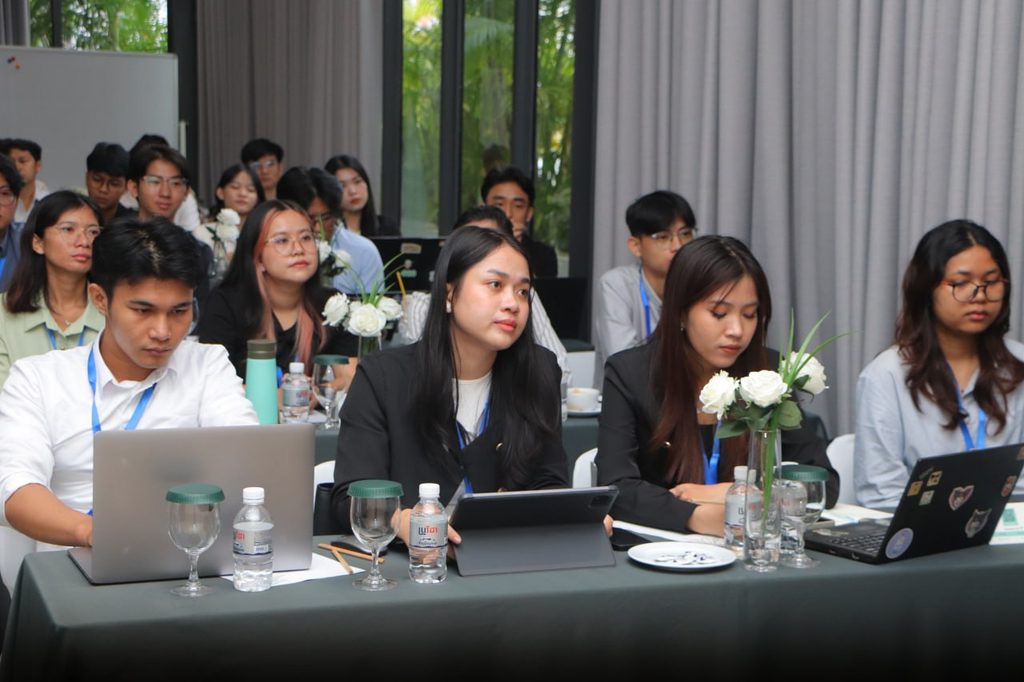
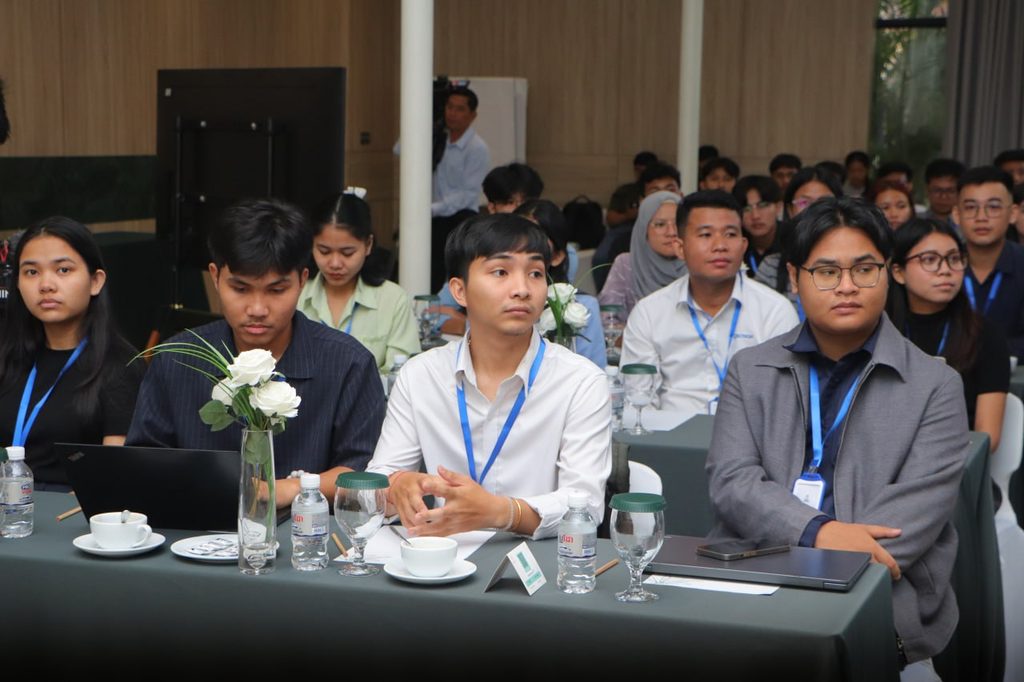
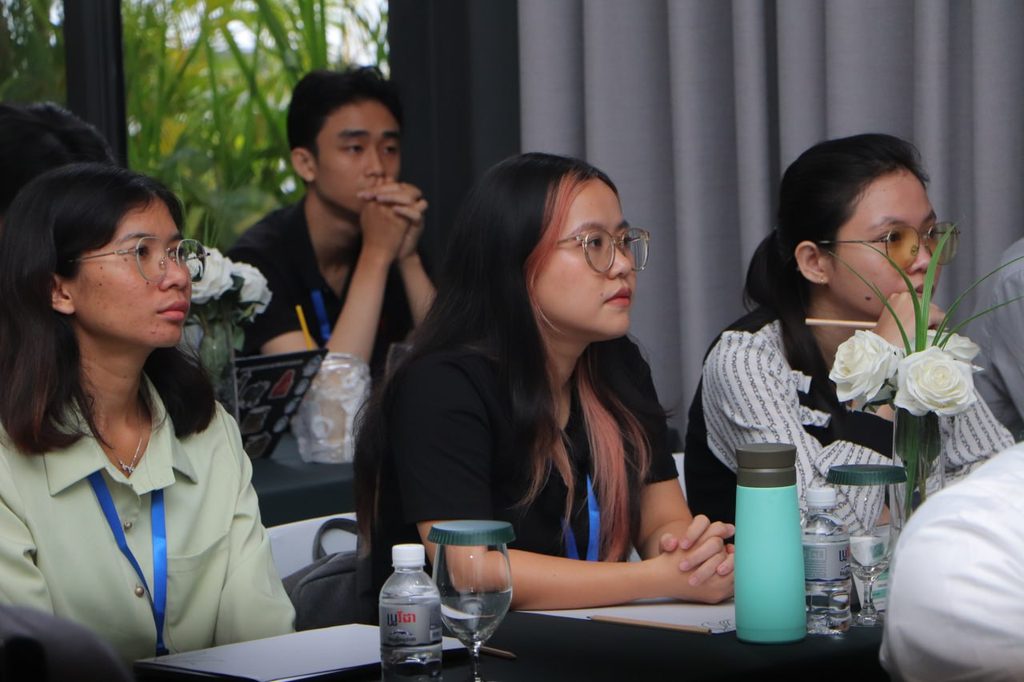
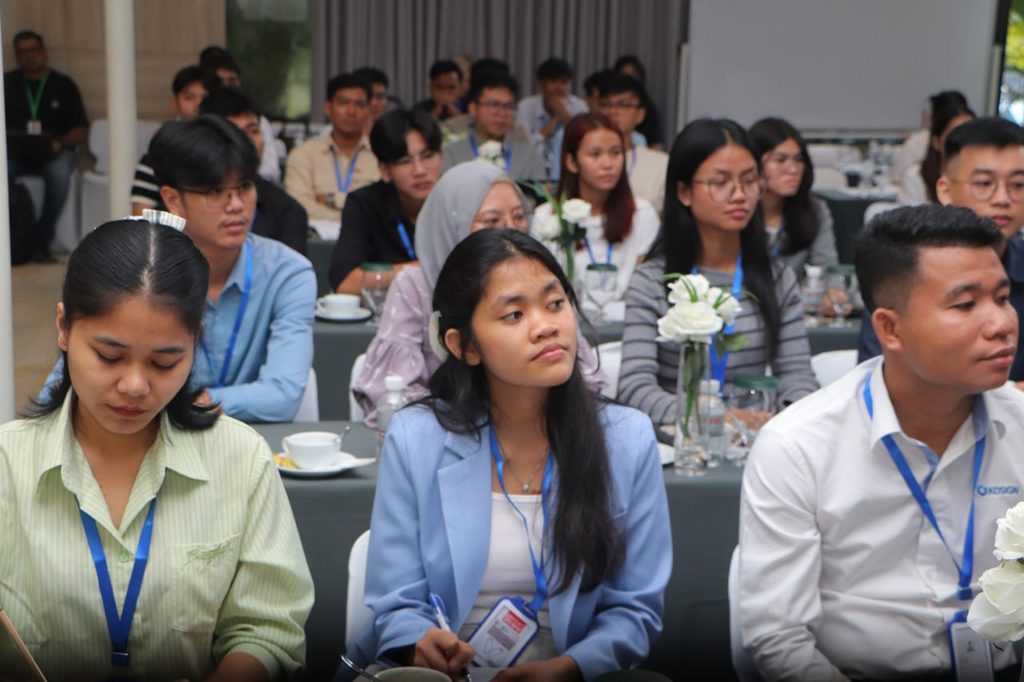
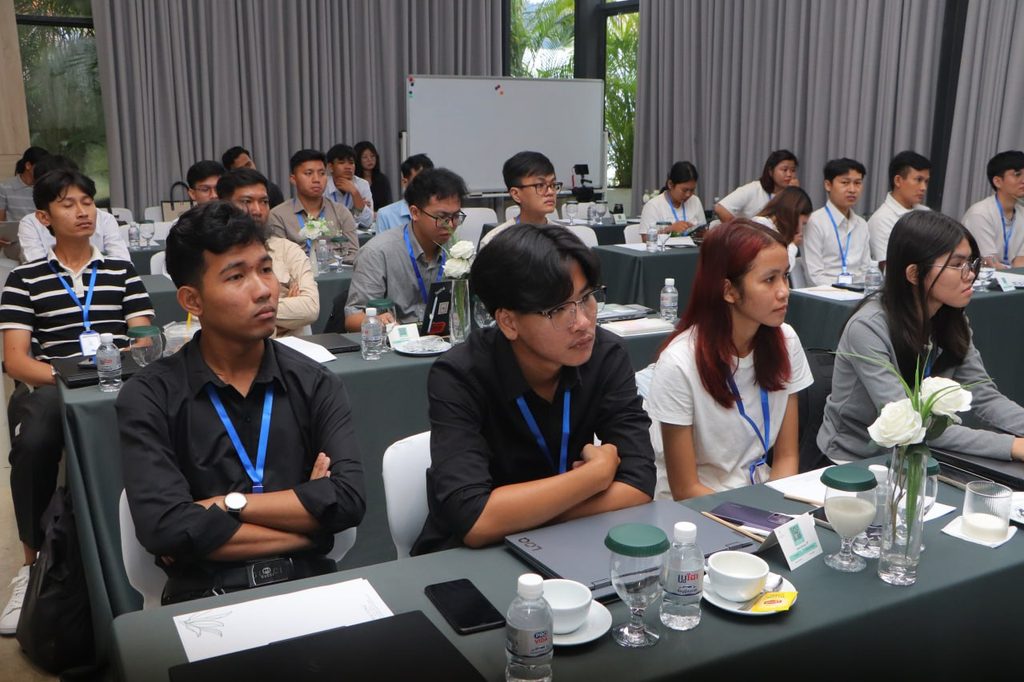
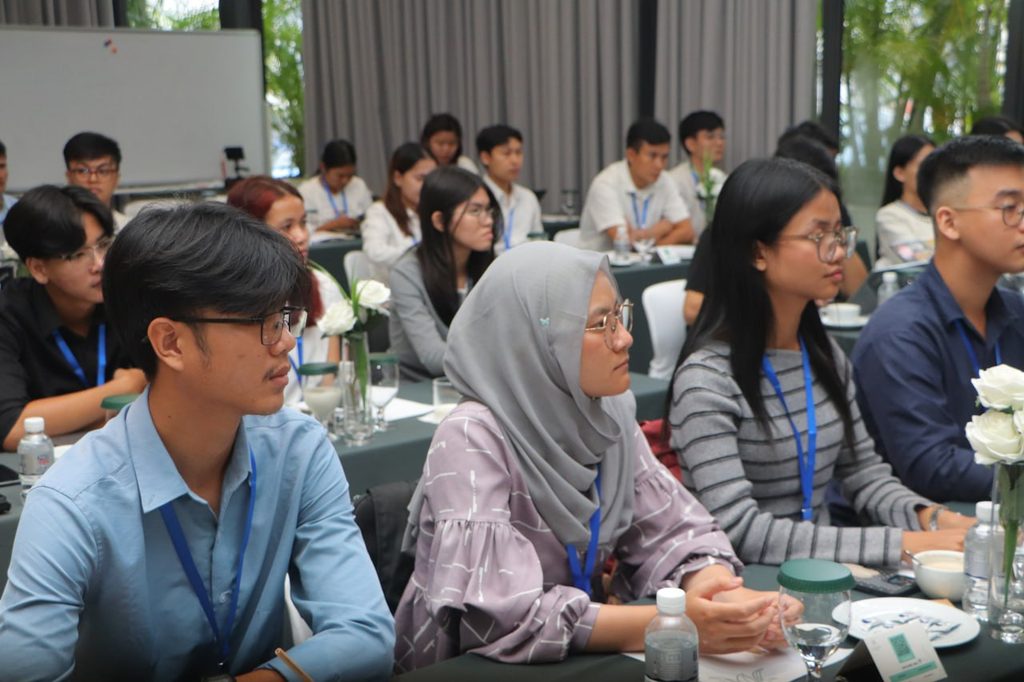
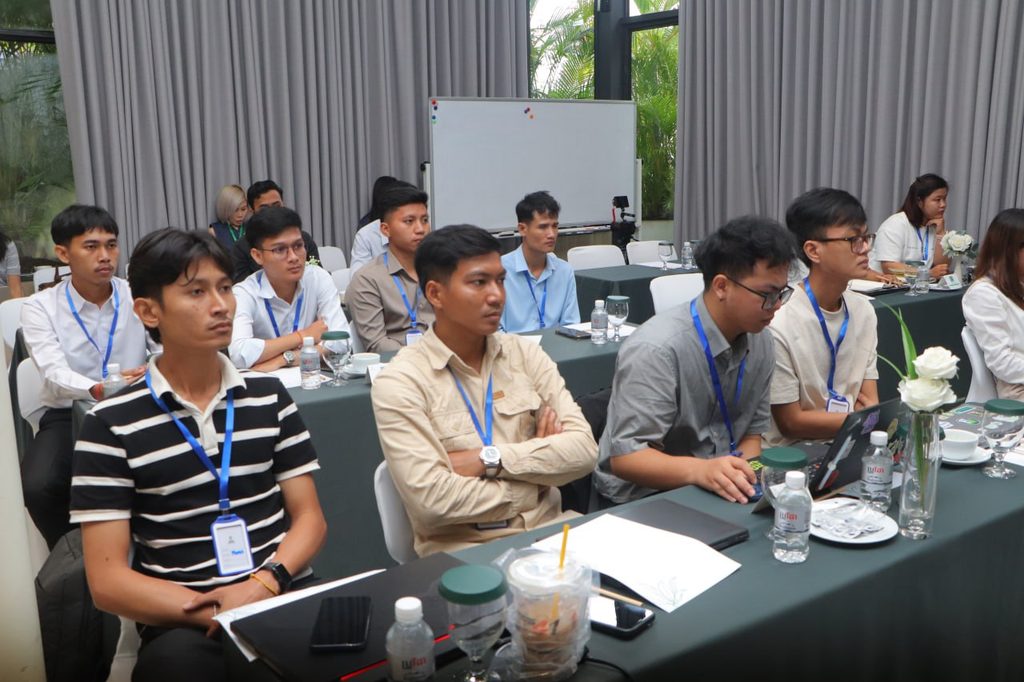
Phnom Penh: September 29, 2026, 50 young Cambodians, including university students, recent graduates and early career professionals, faced the real world, from AI-generated scams and disinformation to digital disconnection, as part of a one-day workshop focused on building practical digital skills for Cambodia’s next generation.
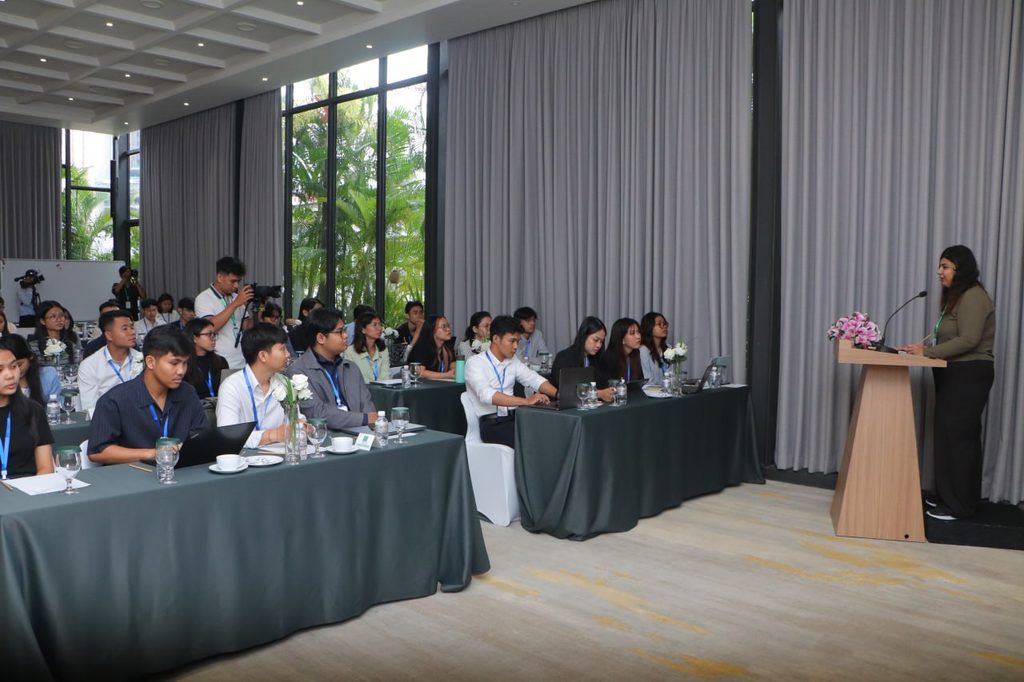
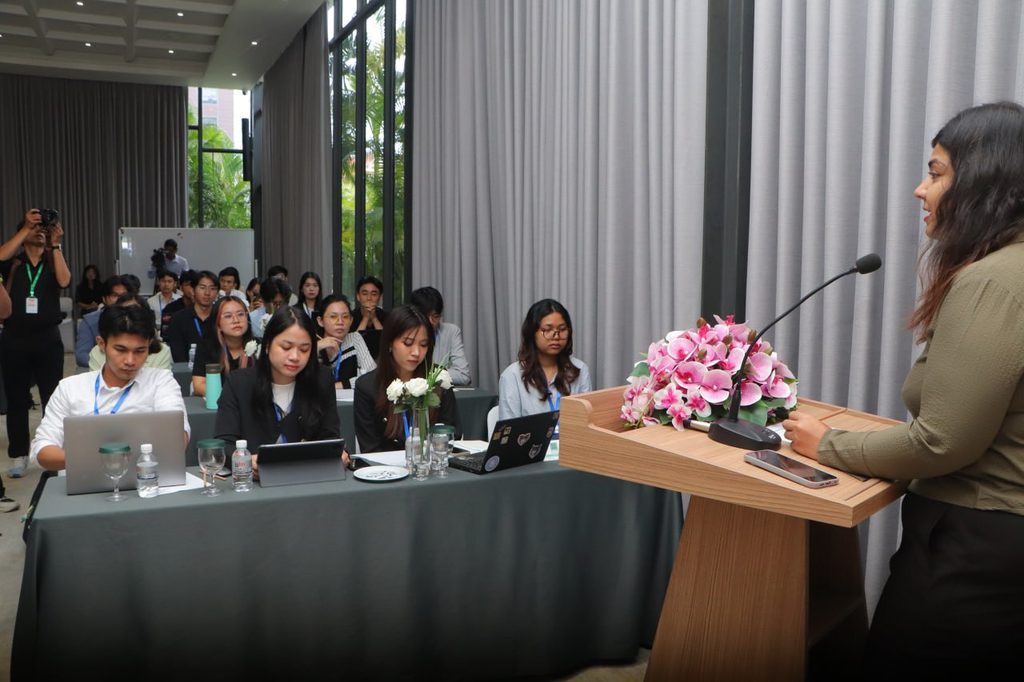
The Digital Skills, AI Responsibility and Cybersecurity for Youth Empowerment workshop, held at the Baitong Hotel and Resort, Phnom Penh, was co-organized by the APNIC Foundation and Open Development Cambodia (ODC), with ISC2 as a knowledge partner, and with support from the Department of Infrastructure, Transport, Regional Development, Communications, Sport and the Arts, Australian Government. The training was delivered by Barry O’Callaghan, an ISC2 certified instructor.
The workshop was held as part of the Asia-Pacific Telecommunity (APT) Young Professionals and Students program (APTYPS) which aims to strengthen ICT knowledge and skills among professionals. and young students across the Asia-Pacific. As Cambodia sets a goal to officially graduate from Least Developed Country status by December 2029 and move towards its long-term Cambodia 2050 Vision, the ability of young people to participate effectively in the digital economy will become increasingly important. The workshop focused on practical capabilities that participants can apply to their education, work, and daily digital lives.
Participants explored how artificial intelligence can support learning, research, productivity, and career development while examining the risks that accompany its use, including misinformation, bias, privacy concerns, and disinformation. and the heavy reliance on AI-generated content.
The cyber safety session addressed the growing threats directly affecting individuals and families, including phishing, account takeovers, online scams, unsecured public Wi-Fi use, deepfake phishing, and AI-generated audio and video scams. Participants also learned practical approaches to account protection, multi-factor authentication, privacy, and incident response.
AI now requires more than familiarity with the tools it creates. Young people need to understand how systems like large language models produce results, how those results can fail, and how issues like bias, misinformation, privacy, and overreliance affect their use. Building that capacity means combining effective use of AI with verification, critical evaluation, and appropriate human oversight so that these technologies can be applied responsibly in education, work, and society at large.
«Investing in the digital skills, artificial intelligence, and online safety of Cambodian youth is one of the most important things we can do To secure their future and the future of the region. As technology continues to transform the way we learn, work and connect, it is vital that our young people are not only equipped to use these tools, but also to use them safely, ethically and with confidence.
ISC2 Certified Trainer Barry O’Callaghan said that initiatives like the workshops APTYPS Cambodia creates real opportunities for young people to build real-world skills, address the youth skills gap, and increase their job readiness. I am proud that we can bring together young minds with ICT leaders and stakeholders to learn, collaborate, and grow. By empowering this generation today, we are laying the foundation for a more capable, resilient, and inclusive digital future.
This site is translated by Google Translate™