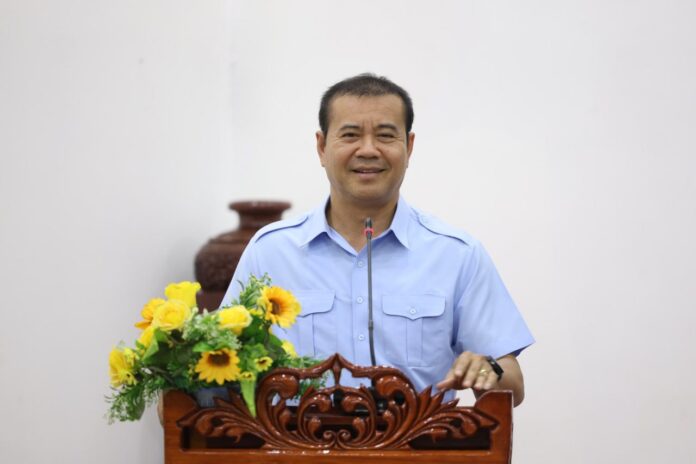
Ratanakiri: Dr. Kao Thach, the Royal Government Delegate in Charge of the Agricultural and Rural Development Bank (ARDB) and President of the Techo Farmers Network Association, urged farmers from communities in some districts in Ratanakiri province to consider changing their farming habits, including knowing how to calculate production costs with market demand first, otherwise they will not be able to avoid increasing debt.
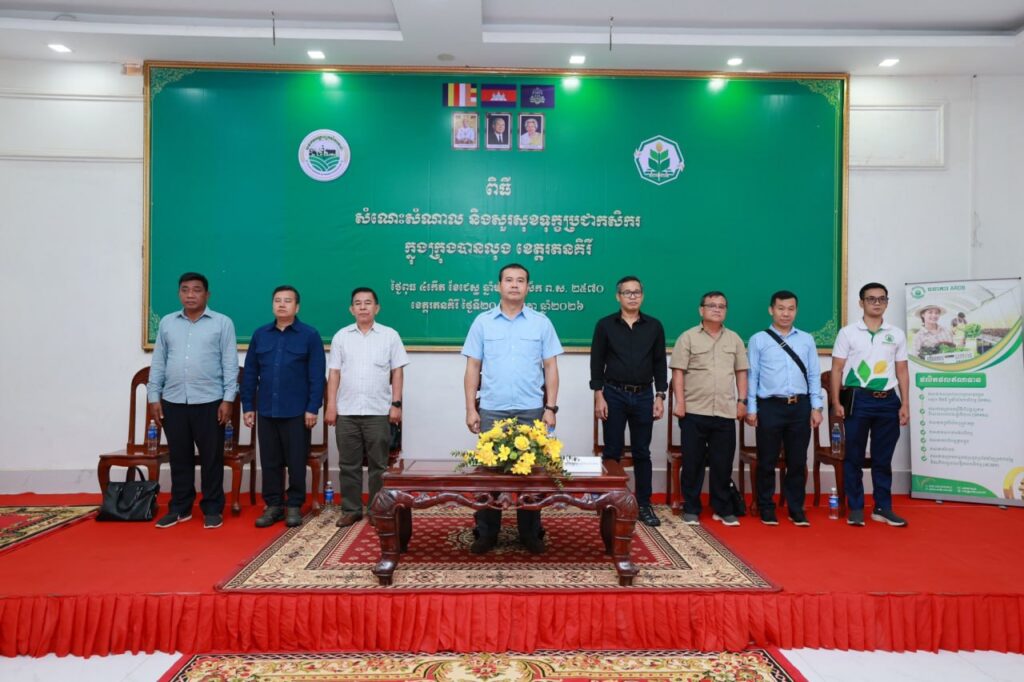
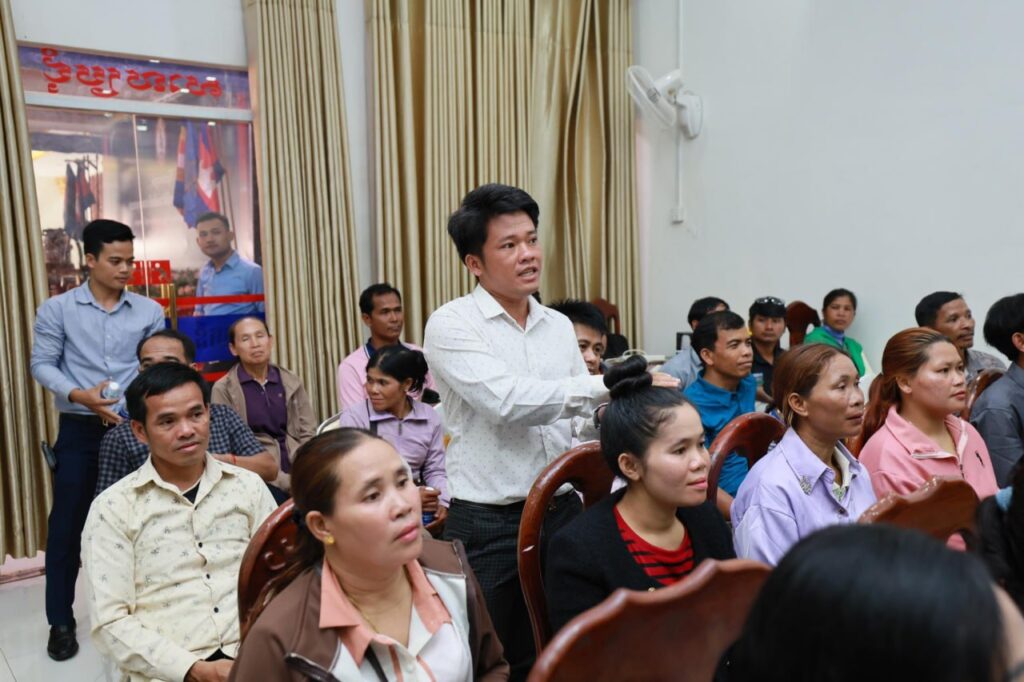
The remarks and remarks made by Dr. Kao Thach were made at a meeting with farmers from several agricultural communities and agricultural officials from six communes in Ban Lung city, Ratanakiri province on May 20, 2026, which was attended by 100 people.
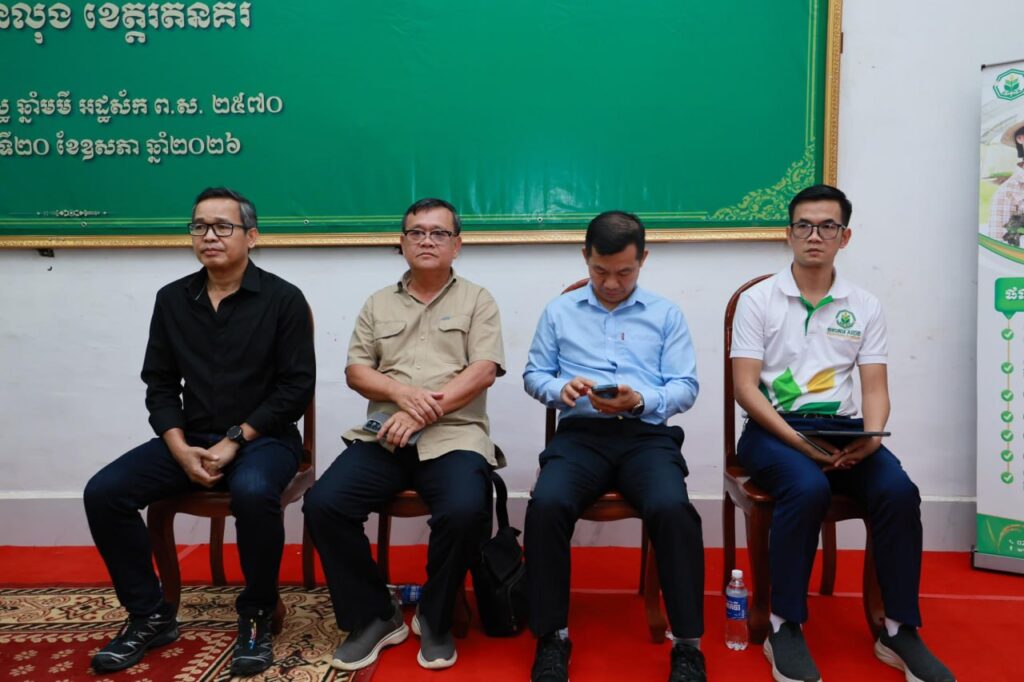
Dr. Kao Thach stated on that occasion that the farming of our farmers is indeed difficult and tiring, but it cannot be stopped because the blood of our Khmer ancestors, who have been farming since the Angkor period, would not have been able to grow without farming. Therefore, if we are too tired, we should try again by finding new methods, thinking clearly about the cost of production, the cost per unit, otherwise, our farmers will continue to be trapped in the same debt trap.
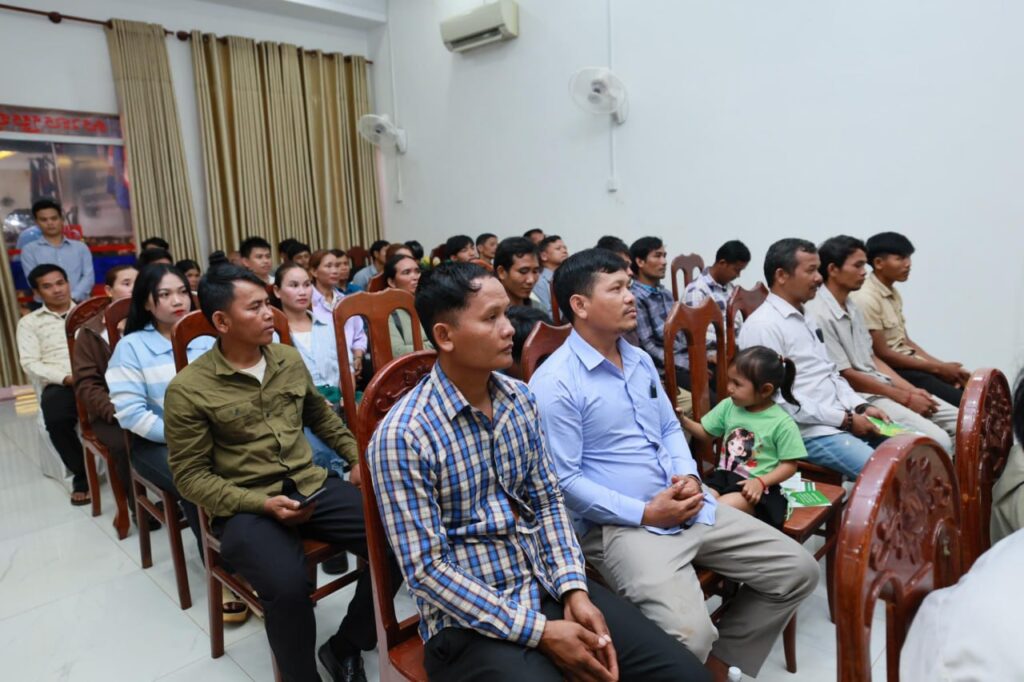
Regarding the concerns raised by farmers regarding agriculture and crop production, including cashews, cocoyam, animal husbandry, and vegetable cultivation that have no market, Dr. Kao Thach explained that if our farmers do not change their farming habits based on profit and loss, they will definitely cry out, “Farming is a loss every season.” As the price of chemical fertilizers and pesticides in the world increases, this is an opportunity for us to find a solution, namely, to study the production of natural fertilizers locally. In particular, we have a world library that can study how to produce natural fertilizers again, namely YouTube, to reduce the cost of production for farmers to use in the agricultural sector.
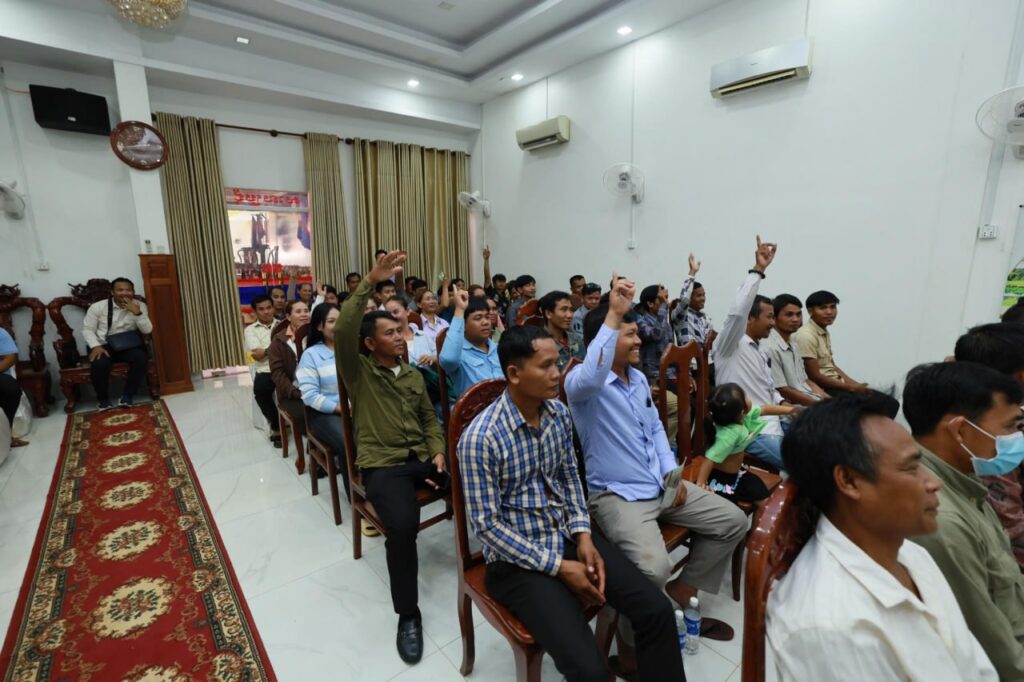
In this challenging situation, the Farmers Network Association will act as (1) a shield or umbrella for farmers, participating in protecting the legitimacy of farmers and protecting them from abuses and profits on farmers, and (2) the association will act as a bridge for others to walk or connect to other opportunities, such as opportunities to obtain technical and market information. Especially as a bridge to connect the voices of farmers to competent institutions or national and international communities, which must not leave any farmer’s voice behind.