
Siem Reap: Mr. Tep Asnarith, spokesperson for the Ministry of Information, urged the public, especially the youth, to increase their responsibility and set good examples on social media to help promote social security and stability, as well as protect themselves from the risks of fake news both now and in the future.
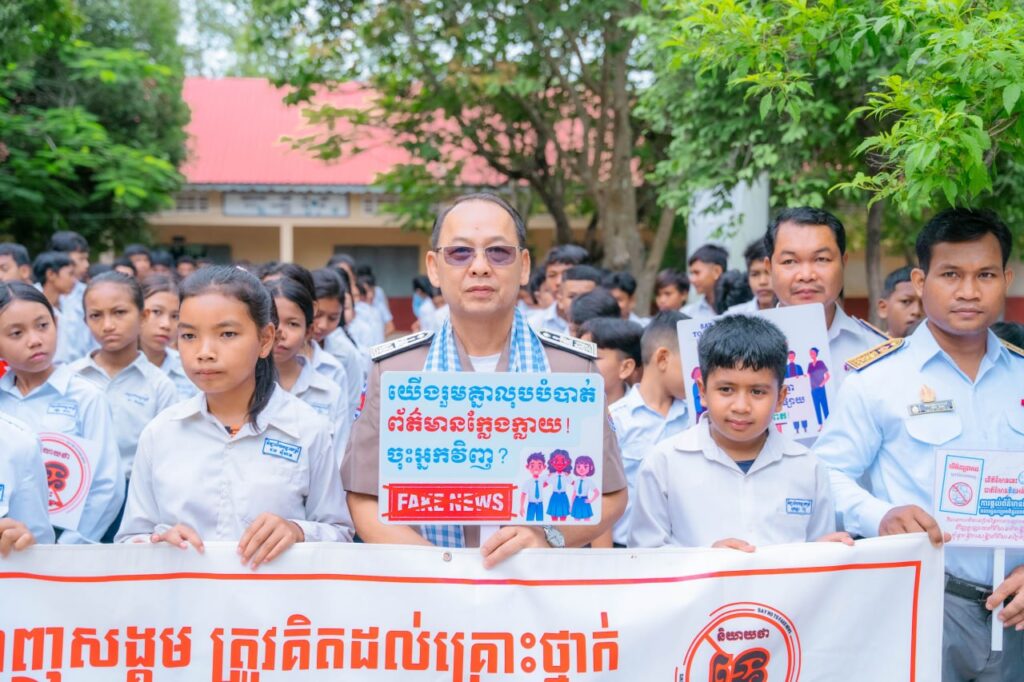
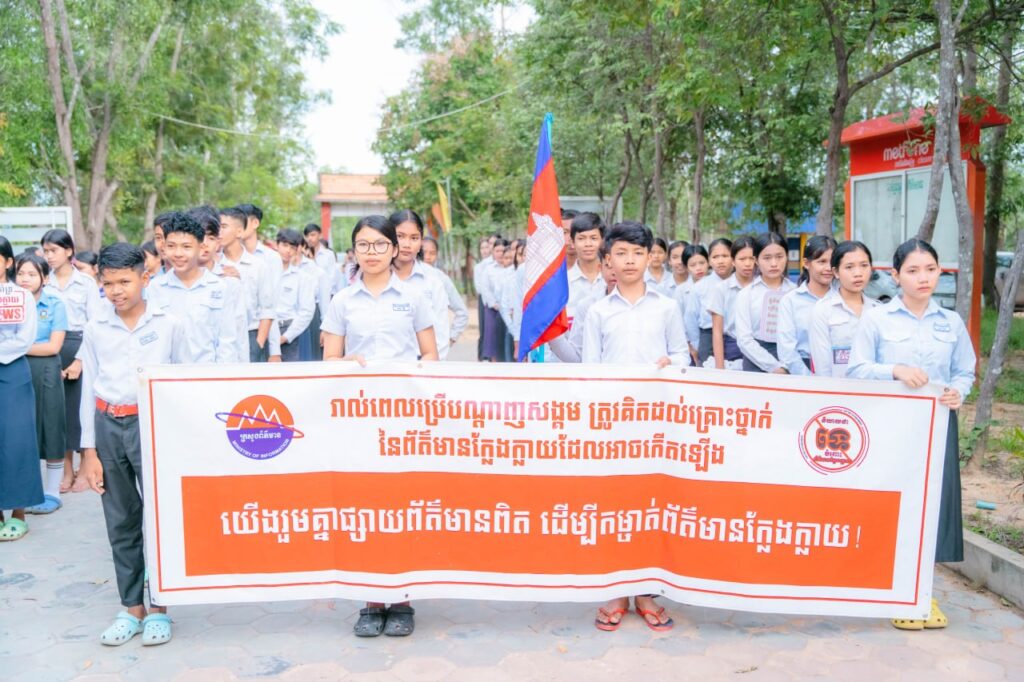
The promotion was made at the “Say No to Fake News” campaign, phase 2, organized by the Siem Reap Provincial Information Department at Banteay Srei High School, Preah Dak Commune, Banteay Srei District on July 15, 2026. The event was attended by the head of the provincial Department of Education, Youth and Sports, representatives of the Banteay Srei District Administration, teachers and approximately 1,000 students.
On the occasion, Mr. Tep Asnarith encouraged young people across the country, especially students in high schools and secondary schools, to use social media responsibly. He emphasized the need to distinguish between real and fake information and to avoid sharing fake information in order to contribute to leaving a good example of sharing only real information, which is a factor contributing to the development of the national society.
He appealed: “Our students, who are very present on social media, must use these networks responsibly. “I want all students to leave a good example by sharing useful information to contribute to social development as well as increase knowledge for themselves and future generations.”
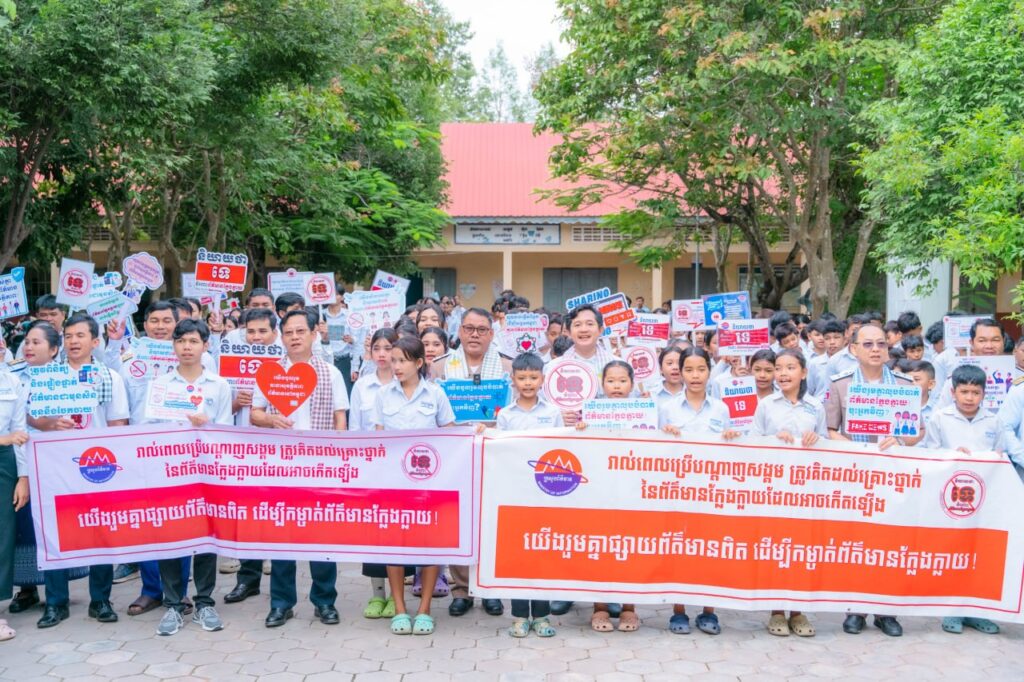
Mr. Ly Bunna, Director of the Siem Reap Province Department of Education, Youth and Sports, fully supported the Ministry of Information’s “Say No to Fake News” campaign. He stressed that promoting digital literacy is very important in providing knowledge to students in both urban and rural areas.
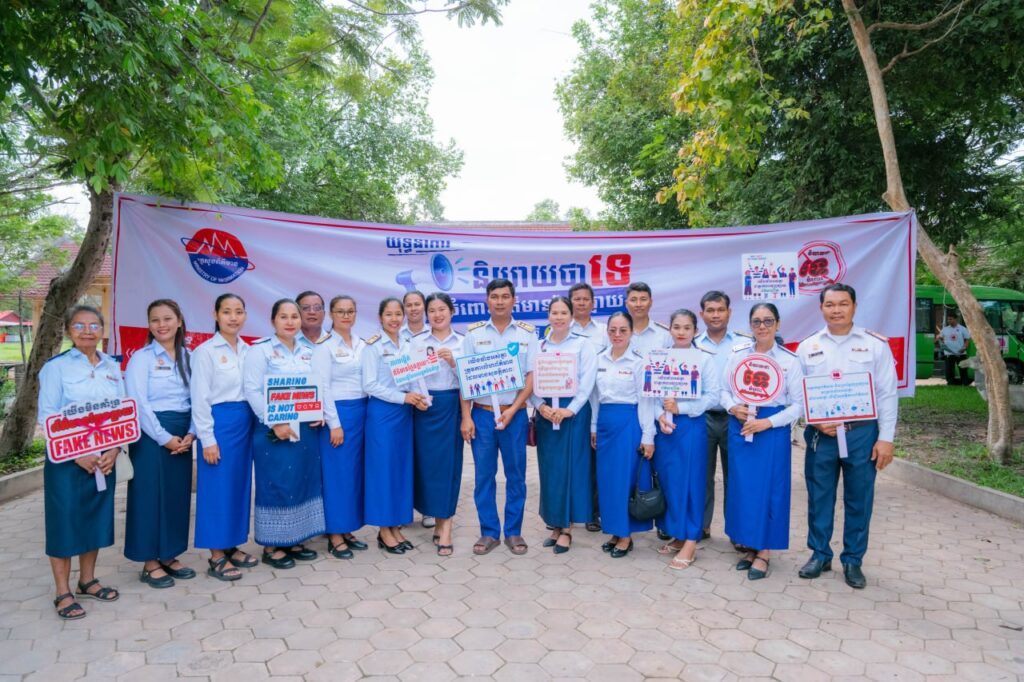
Approximately 1,000 students from Banteay Srei High School showed their support and promised to use social media for their studies and not share inaccurate information that harms society.
It should be noted that currently, more than 17 million Cambodians, with approximately 59 percent of young people using Facebook, while more than 30 percent of Gen Z (aged 14-29) use TikTok. Therefore, their participation as evangelists or spreaders of true information will contribute significantly to protecting the community from the dangers of fake news.
This site is translated by Google Translate™