

On July 15, 2026, the Chinese government released a report on economic performance for the first half of 2026, showing that China’s gross domestic product (GDP) grew by 4.7% compared to the same period in 2025.
For a country with an economic size of over 140 trillion yuan and the world’s second largest economy, maintaining growth at this level is no easy feat. In a context where the global economy is facing uncertainty, supply chain disruptions and geopolitical tensions, the above growth reflects that the Chinese economy continues to show resilience and is a source of confidence for international markets.
Despite facing challenges such as external threats, China’s macroeconomic policies have remained effective in maintaining stability. and promote domestic growth.
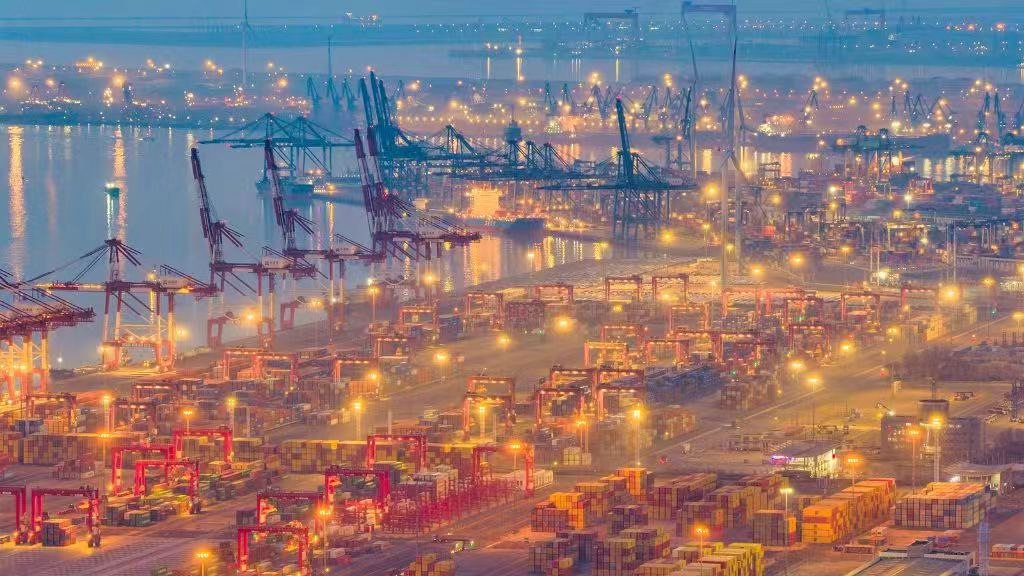
For example, the added value of medium and large-scale industries across China increased by 5.4%, and the volume of domestic retail sales of consumer goods and services increased by 2.7% compared with the same period last year. At the same time, the total trade volume of goods increased by 16.9%, of which imports increased by 22.1%, exceeding 10 trillion yuan for the first time in history.
These indicators not only demonstrate the resilience and strength of the Chinese economy
but also send a positive signal to international investors. While many major economies are facing the risk of slowing growth, China is still considered one of the top three investment destinations for many international enterprises looking at the long-term potential of the Chinese market.
These achievements are not accidental, but the result of the active implementation of the 15th Five-Year Plan (2026-2030) and China’s high-quality development.
In recent years, the Chinese government has paid great attention to developing new quality productive forces, promoting innovation, science and technology, developing green industries, and modernizing industrial and supply chains. These factors have become new driving forces for economic growth and have helped strengthen China’s ability to respond to external risks.
At the same time, the continued opening up of China’s market through the reduction of tariff barriers and trade facilitation has made positive contributions to the strengthening of international economic liberalization and cooperation.
Currently, China has implemented a zero-tariff policy with 63 countries, and China’s import volume has ranked second in the world for 17 consecutive years. China’s continued expansion of openness and imports not only supports its own economic development, but also provides opportunities for partner countries to expand markets and strengthen economic cooperation.
For developing countries, especially ASEAN countries, including Cambodia, the strength of China’s economy is of great importance.
As ASEAN’s largest trading partner and an important source of investment, China’s economic growth has contributed to creating new opportunities for trade, investment, infrastructure connectivity, and regional economic development. In this sense, the stability of China’s economy not only paves the way for China to achieve its second century goals, but also helps to boost regional and global economic growth.
In short, no matter how the world situation changes and faces increasing uncertainties, the resilience and potential of China’s economic growth have shown that China still plays an important role in supporting global economic stability and growth. With the continued implementation of reform, high-level opening-up, and the promotion of innovation, China will continue to play a stabilizing role for the regional and global economies, which will bring shared prosperity for all.
By: Mr. Hou Chamroeun, Researcher, Center for the Development of Cambodia
This site is translated by Google Translate™