

Phnom Penh: The AIDS Healthcare Foundation (AHF) Cambodia has called for urgent reform of the global debt system, warning that rising debt burdens are forcing many developing countries to spend more on debt repayments than on health care and education, undermining their ability to meet basic public needs.

Launching its global “Debt Freedom” campaign in Phnom Penh on July 24, 2026 and continuing into the future, AHF declared that the current international financial system has and is diverting resources to support hospitals, schools and other essential services, leaving billions of people vulnerable despite increasing development needs.
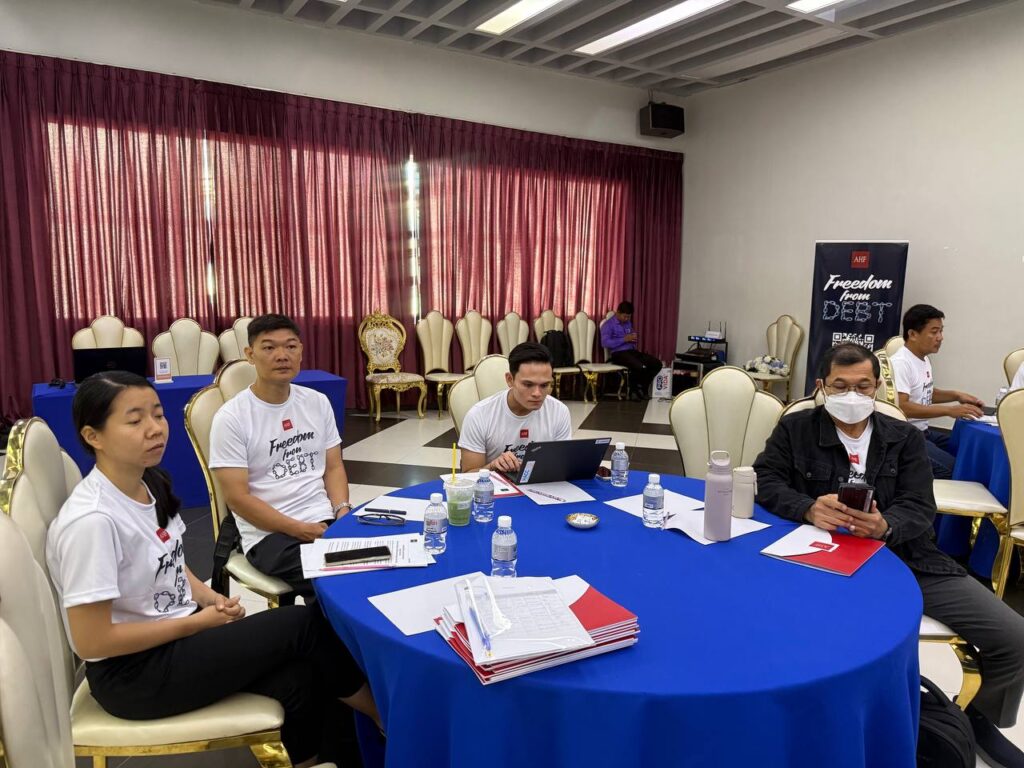
AHF Cambodia called in a statement that “the injustice of debt bondage requires a global system that prioritizes people over profits,” arguing that countries should not be forced to choose between paying off creditors and protecting public health.
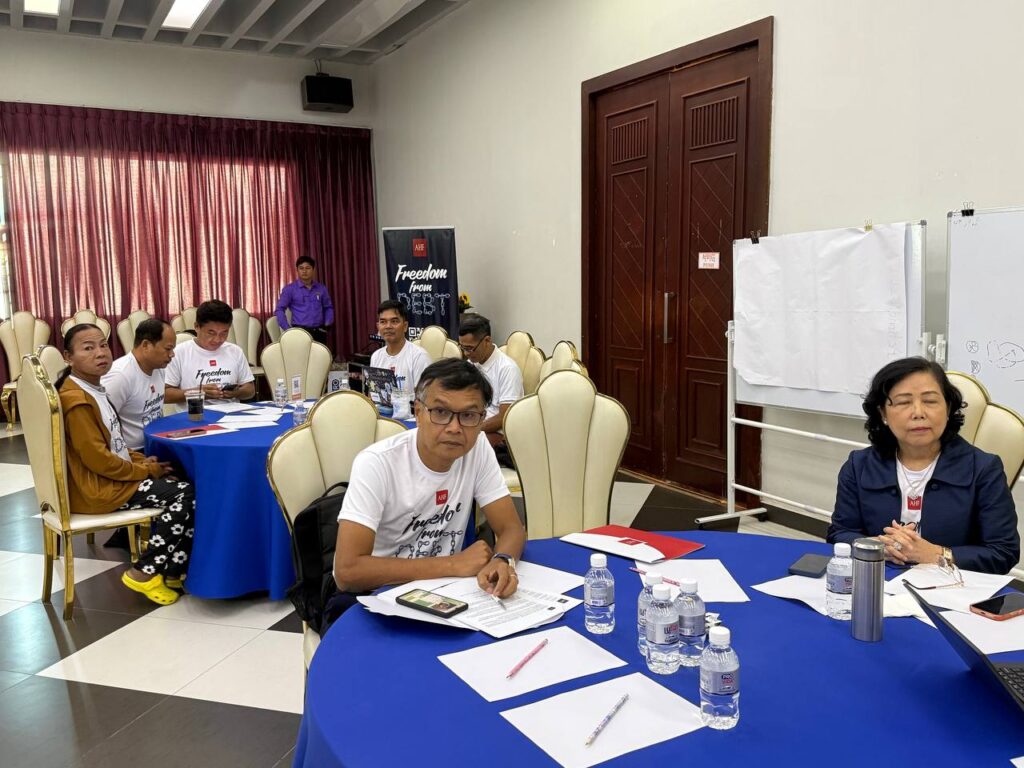
AHF raised Global figures show that 3.4 billion people now live in countries where governments spend more on debt servicing than on healthcare or education. These have shown that many developing countries pay two to 10 times higher borrowing costs than rich countries, leading to reduced investment in health, education and climate change responses.
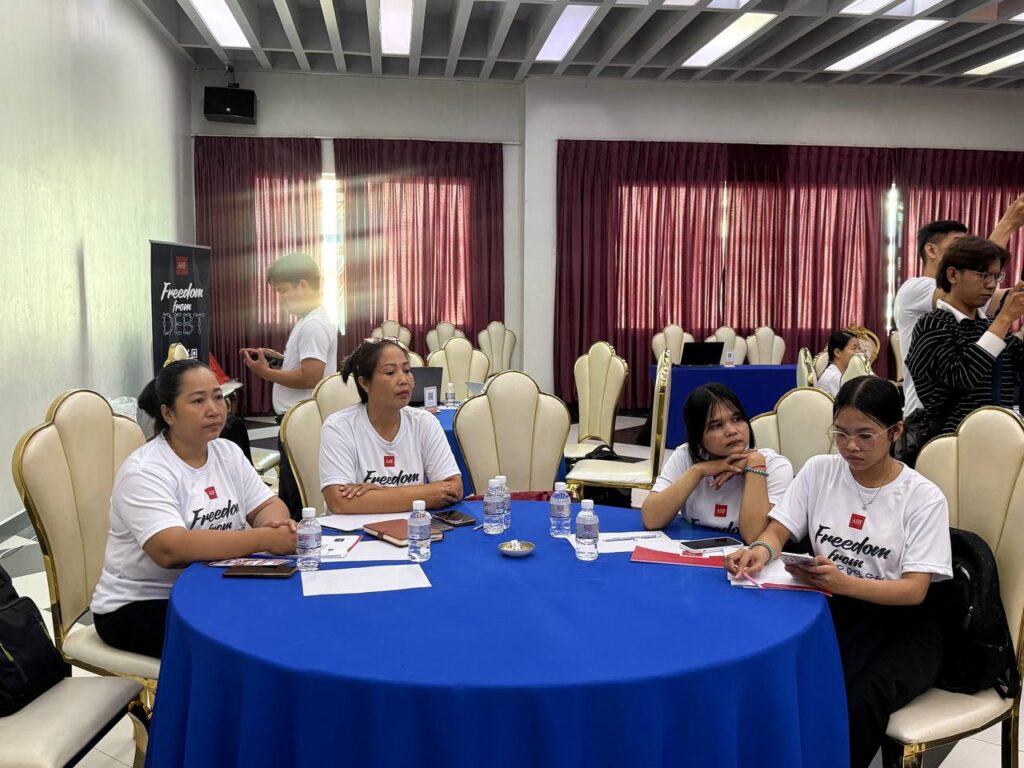
Speaking at the discussion, Dr. Chhim Sarath, AHF’s Asia Regional Director, said, “ Healthcare should not fall victim to the debt trap. When governments are forced to spend more on debt repayment than on hospitals, disease prevention and education, it is the ordinary people who bear the brunt of the cost.”
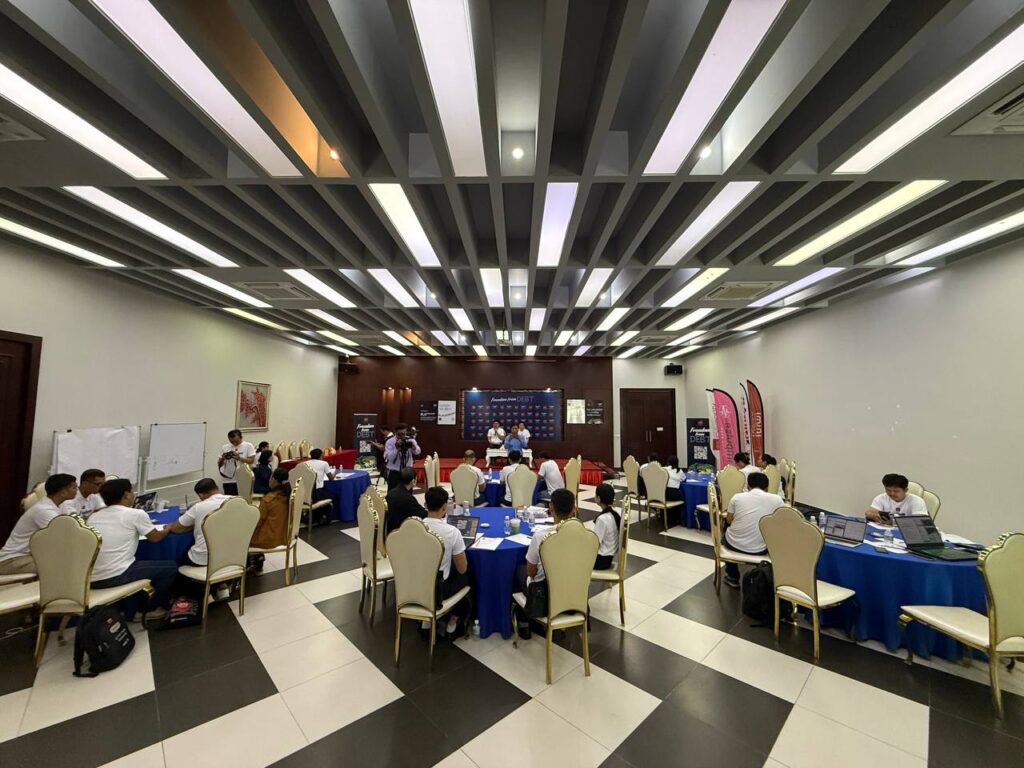
The AHF argued that the sovereign debt crisis was driven by the global financial system’s imbalances, historical economic structures and the governance of multilateral lenders and private creditors. This leaves poor countries with little bargaining power. These have shown that for every dollar of international aid that developing countries receive, billions of dollars flow away through debt repayments, restrictive measures, tax loopholes linked to natural resources, and other financial outflows that widen inequality and undermine long-term development.

Dr. John “AHF’s mission goes beyond treating HIV,” said Phanna, AHF Cambodia Country Program Manager. “Strong and sustainable health systems require adequate public investment, and that becomes impossible when countries are stuck in unsustainable debt.”

This site is translated by Google Translate™