
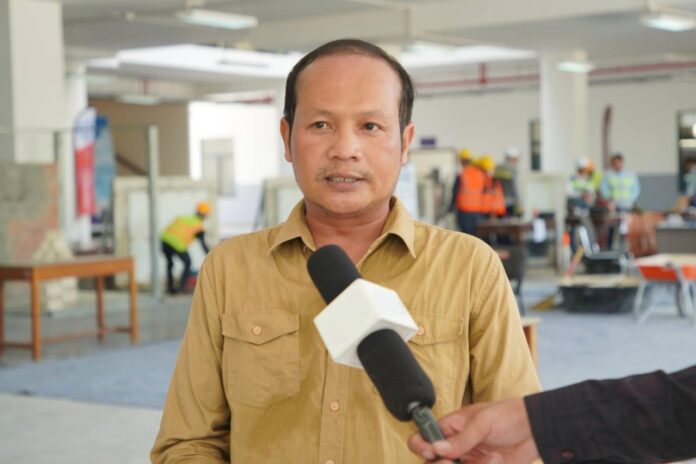
Phnom Penh: Members of the National Minimum Wage Council thanked the Asia Floor Wage Alliance (AFWA) for its concern about wages in Cambodia, but members of the negotiating team also asked the alliance to look at Bangladesh, Sri Lanka and other countries with lower wages and push for wage increases in those countries to match Cambodia’s, rather than focusing on Cambodia alone.
Mr. Sam Soeun, a member of the National Minimum Wage Council, said that Cambodia currently has wages more than twice as high as Bangladesh and Sri Lanka. Therefore, if Asia Floor Wage really wants to help workers, it should campaign to ensure that those countries have minimum wages that are comparable to Cambodia’s.

He said:“Thank you to the Asia Floor Wage organization for being concerned about the situation of the minimum wage in Cambodia, and if this organization really cares about the welfare of workers, please help them campaign in Bangladesh and Sri Lanka, where wages are around 90 to 100 dollars, while Cambodia already has 229.5.”
At the same time, Mr. Pav Sina, a member of the National Minimum Wage Council, said that If the Asia Floor Wage organization aims to help workers across Asia, it should not only encourage Cambodia, but also other countries with lower wages than Cambodia to increase wages and receive benefits.
Mr. Pav Sina said: “NGOs do not mean only in Cambodia. NGOs also have their networks of allies in those countries, in countries that are competing with Cambodia, but we see why we are focusing only on Cambodia. We are the only ones who are strengthening this sector.”
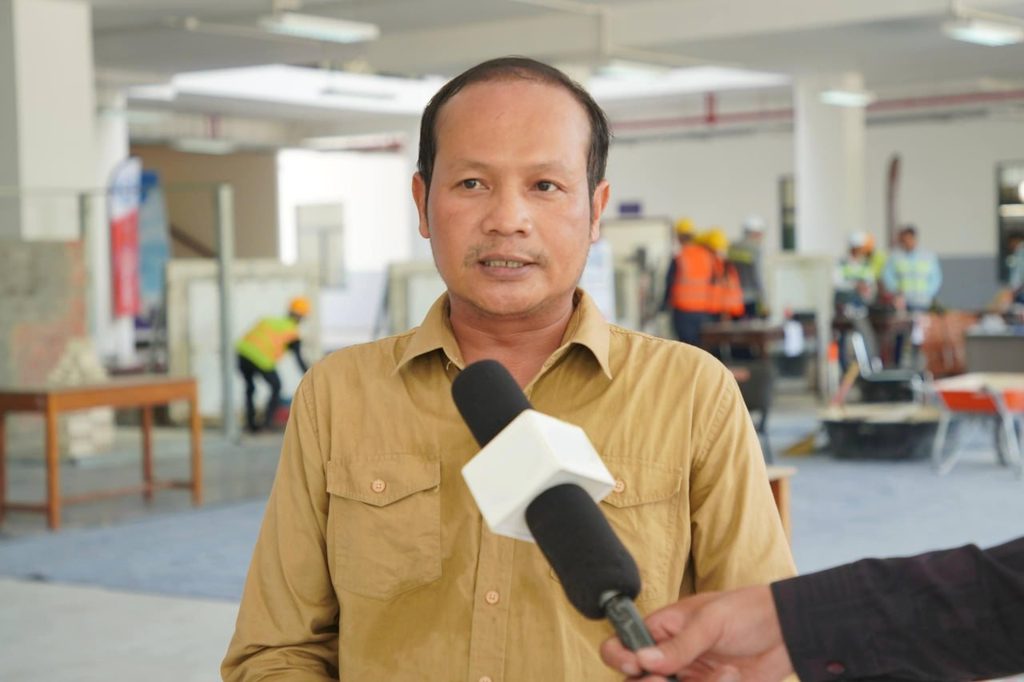
The two members of the National Minimum Wage Council stated that wage increases should be based on the actual situation of each country and take into account the competitiveness of the industry as well as the situation of workers in the region.
They both understood that if the Asian Minimum Wage Alliance aims to improve the living conditions of workers throughout the region, promoting wage improvements in all low-wage countries should also be considered, so that regional competition is more balanced and benefits workers in all countries.
This site is translated by Google Translate™