

Phnom Penh: Representatives of major unions in Cambodia said that increasing the minimum wage to $212 per month for 2027 will ensure job stability and prevent factories from moving out of Cambodia, after a meeting to discuss and carefully consider the economic and social situation, the livelihoods of workers and the capacity of the manufacturing sector.

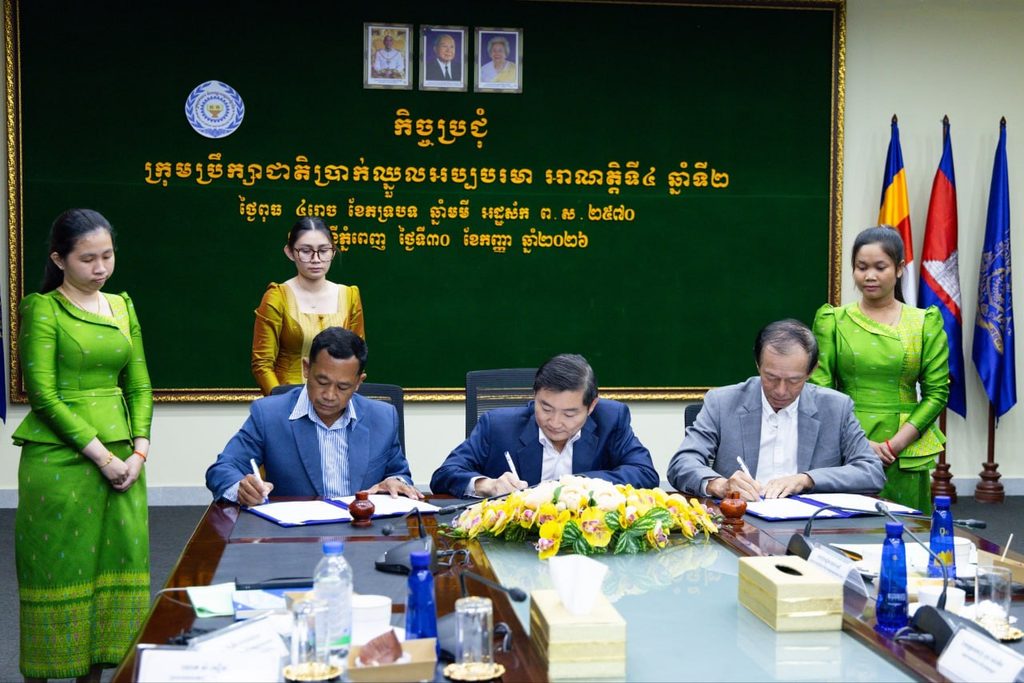
The statement comes after the National Minimum Wage Council decided to increase the minimum wage by $212 for workers in the textile, garment, footwear, and travel and handbag sectors for 2027. The council agreed to use data based on seven criteria, including family status, inflation, cost of living, productivity, competitiveness, labor market conditions, and sector profitability.
Sam Soeun, president of the Cambodian National Confederation of Labor, said he supported the National Minimum Wage Council’s decision because it was a decision that followed the majority of votes cast. He said the final agreement could ensure both the benefits of workers and the growth of factories from moving out of Cambodia.

He understood that wage determination was not based solely on the needs of any one party. But it is examined in light of actual data, as well as the economic situation and competitiveness of the manufacturing sector. In addition, it can ensure sustainable employment for citizens and increase investment in Cambodia.
The union leader said:“I agree with most opinions because I also think that we should maintain a balance between workers’ livelihoods and the capacity of enterprises. If it can be set at an appropriate level, it will help improve workers’ livelihoods, maintain existing jobs, and create good conditions for business expansion and additional investment.”
At the same time, Mr. Pav Sina, President of the Workers’ Movement Union, said that appropriate wages can help workers and employees have stable livelihoods and increase motivation at work. In his view, wage discussions should be based on data and actual situations, taking into account both the benefits of workers and the capabilities of employers.
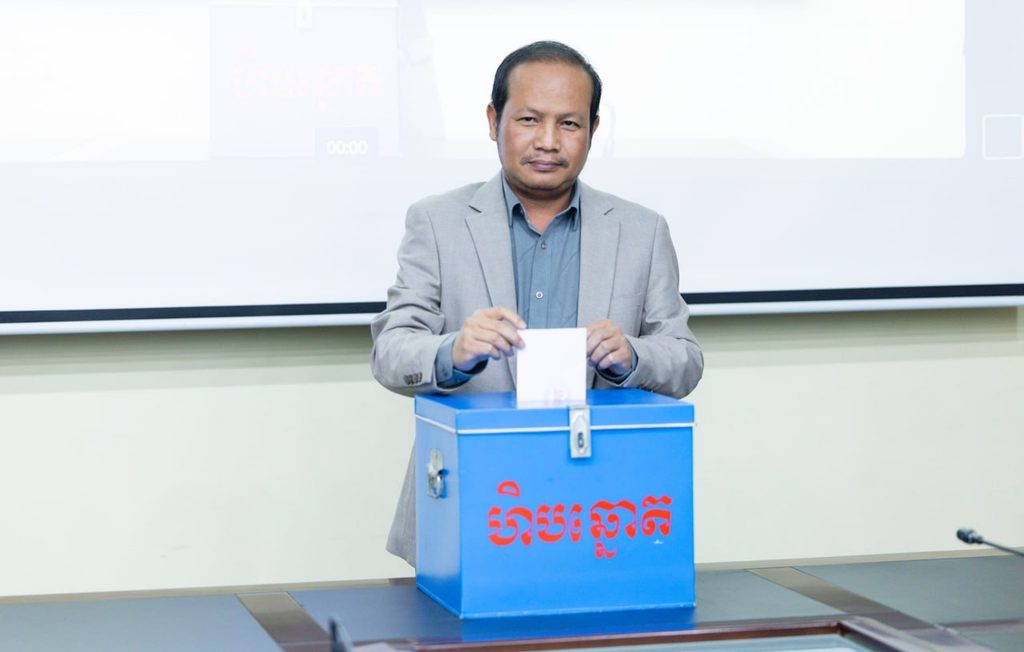
According to Mr. Sina, «I would like to confirm with you that some of us are not happy with this figure. But you must understand that maintaining job opportunities and maintaining competitiveness in garment exports is not limited to Cambodia alone. There are many partners who are our partners, and those countries have lower wages than us. “So if we are not careful in the installation, we may have obstacles that will make investors turn away from Cambodia in the future.”
Both union leaders emphasized that the wage setting for 2027 was discussed based on clear data and honest discussions to achieve a wage level that can help improve workers’ living standards while maintaining jobs, production stability, and a favorable environment for investment in Cambodia in the future.
This site is translated by Google Translate™