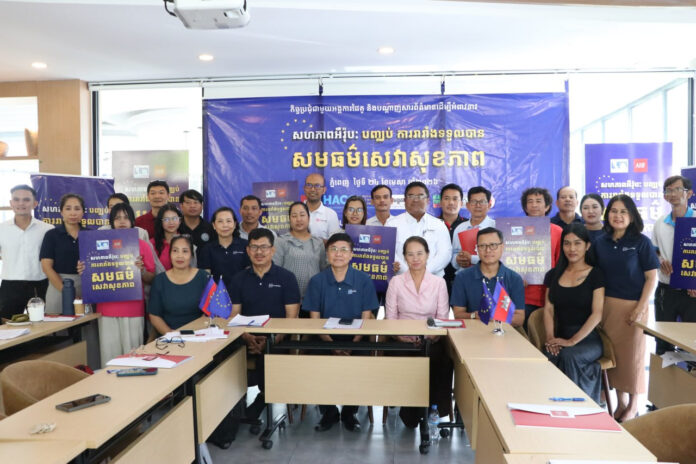
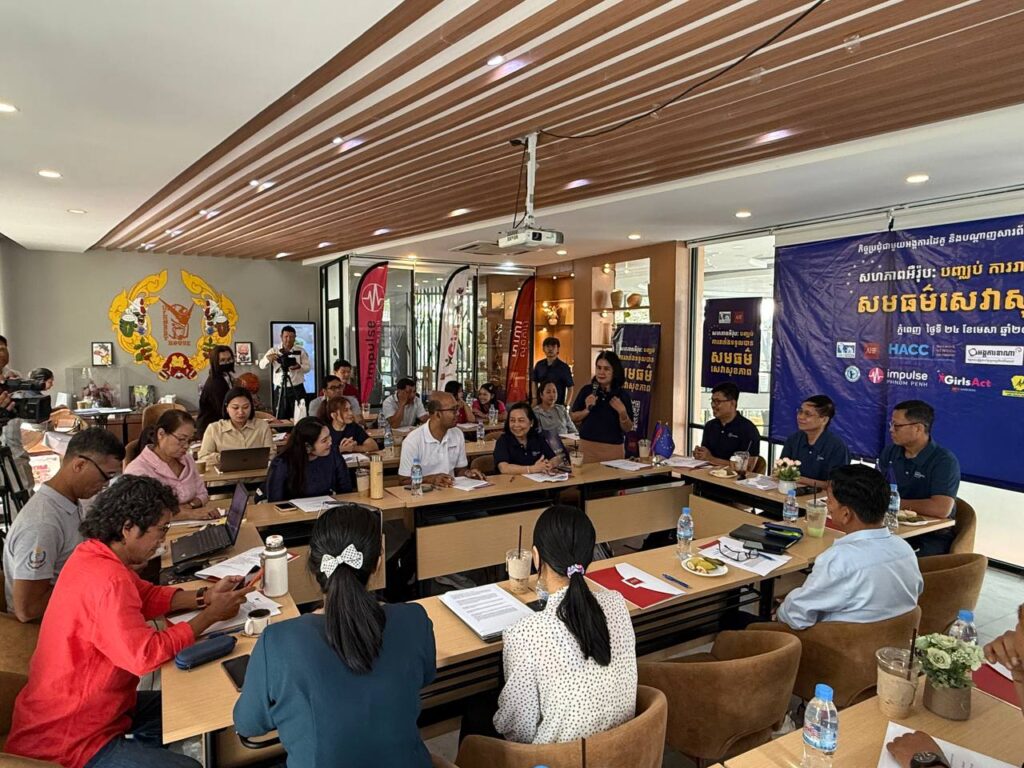
Phnom Penh: On 24 April 2026, the AIDS Healthcare Foundation (AHF) in Cambodia organized a meeting with partners and media outlets to encourage World Health Organization (WHO) Member States to finalize the Access and Benefit-sharing Annex to the WHO Epidemic Preparedness Agreement (PABS). The annex will be attached to the WHO Epidemic Preparedness Agreement before the 6th meeting of the Intergovernmental Panel on Climate Change (IPCC) in Geneva from 27 April to 1 May 2026.
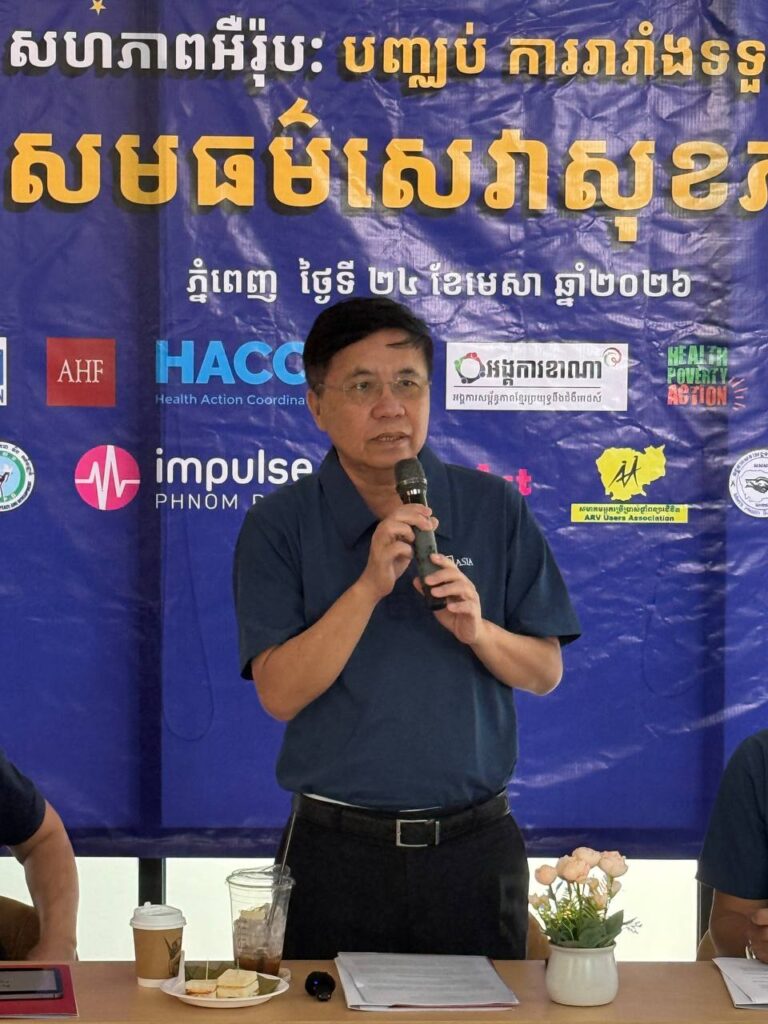
Dr. John Phanna, Country Manager for the AIDS Healthcare Foundation in Cambodia, stated that mandatory benefit-sharing during public health emergencies of global concern (PHEIC) and in interpandemic periods, clarity and prior agreement (i.e. not deferred to bilateral negotiations between WHO and manufacturers) should include the percentage of designated vaccines, diagnostics and treatments, pre-negotiated licenses and knowledge/technology transfer, annual financial contributions. and public access to the results for non-commercial purposes.
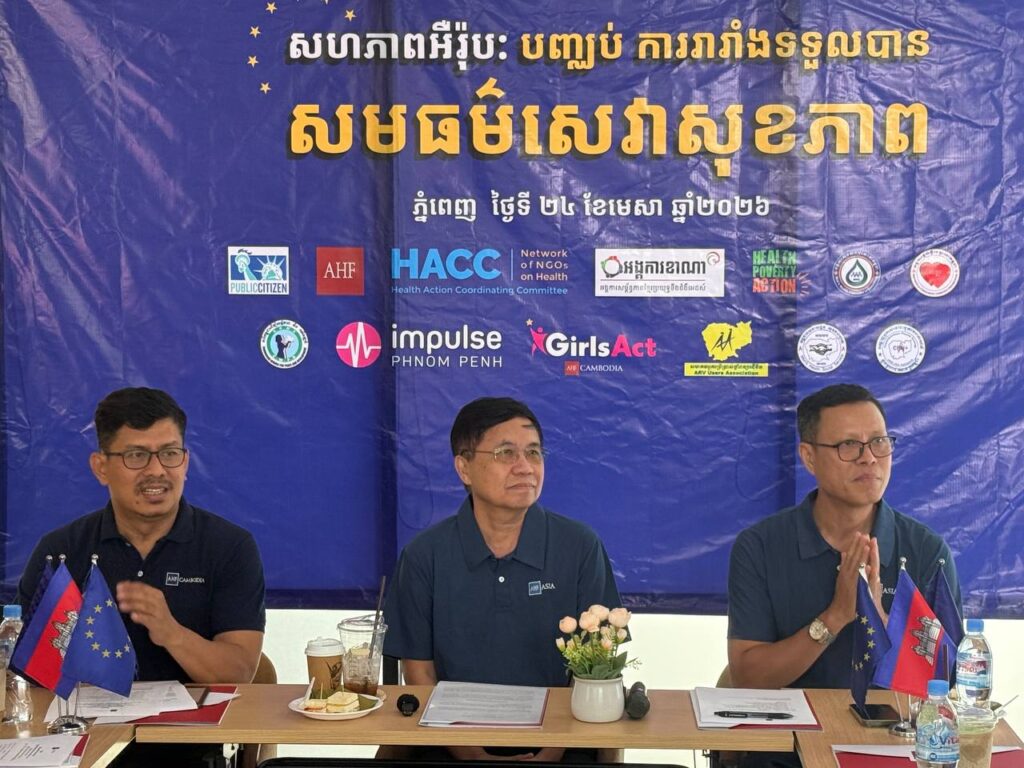
Dr. Chhim Sarath, Asia Regional Director of the AIDS Health Foundation (AHF), said that the World Health Organization (WHO) Convention on Infectious Diseases, which was adopted in May 2025, No progress can be made without the Access and Benefit-Sharing Annex, which sets out the governance of the provision of pathogen samples and genetic data, and the sharing of benefits, including vaccines, diagnostics and treatments, in an equitable manner.
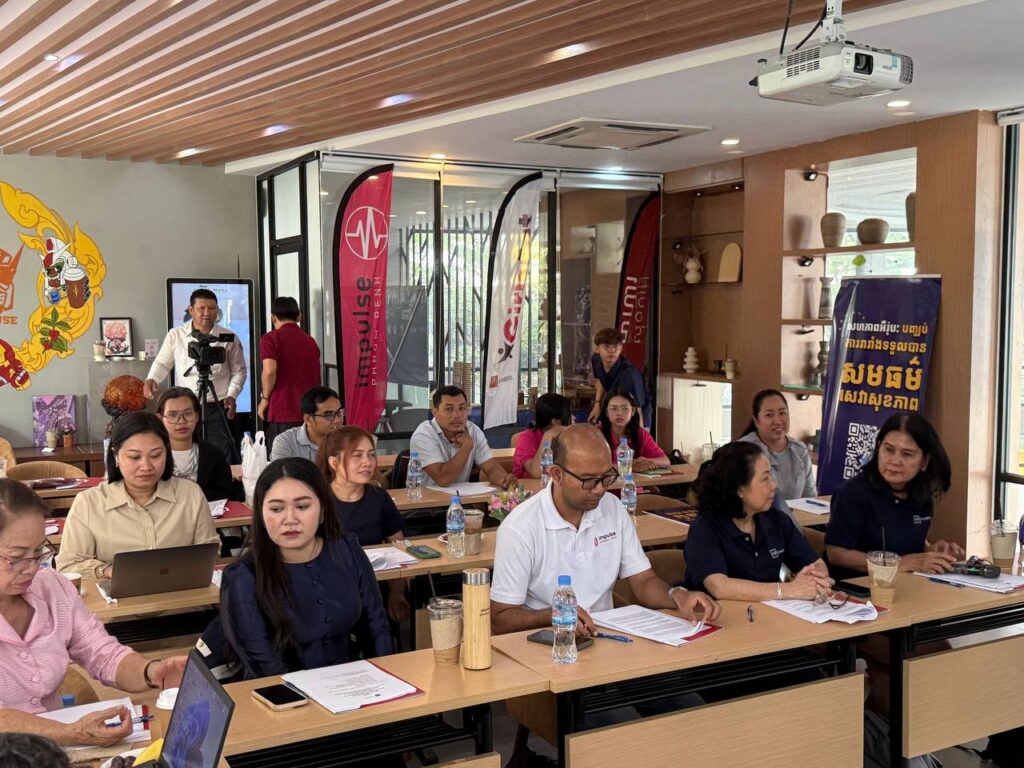
Negotiation meeting The upcoming deadline is the last chance to finalize the agreement on what should be included in the annex to ensure equitable access to and benefit-sharing of biological samples (PABS) before the World Health Assembly in May, a crucial time when other key equity provisions in the annex have yet to be resolved.
Without a strong and enforceable agreement, the world faces another failure, as we failed in the era of COVID-19, when we were unable to access equitable access to life-saving equipment, leaving many countries struggling to cope with the global pandemic.
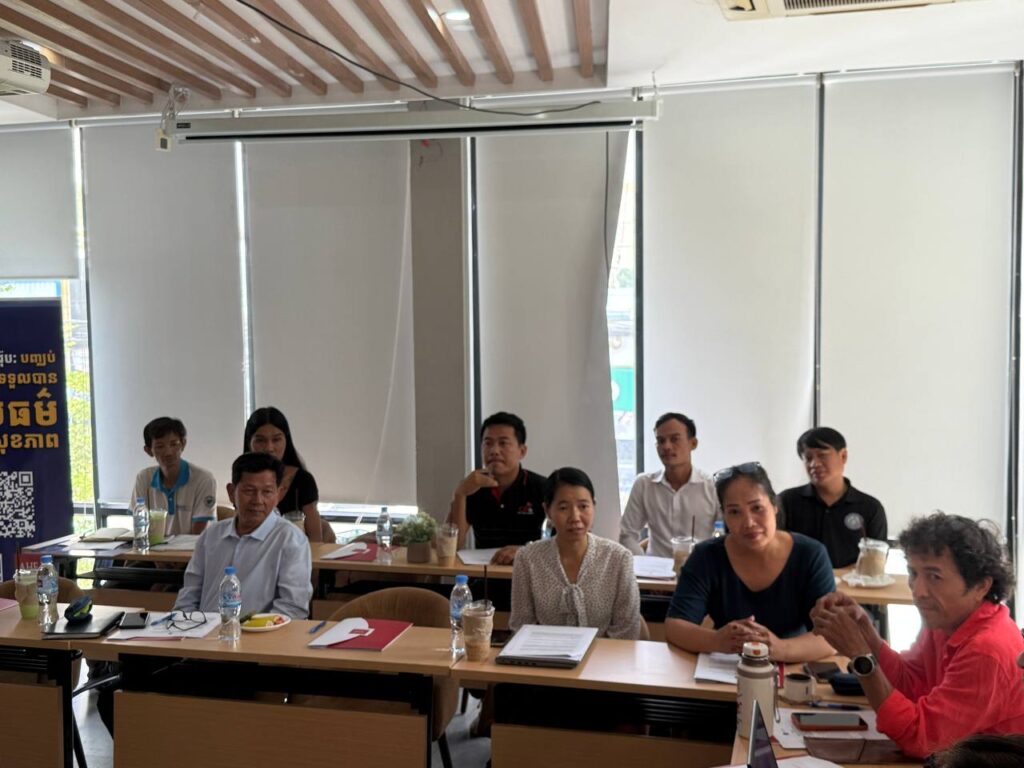
The outcome of these negotiations will determine whether future pandemic responses, public health emergencies of global concern (PHEICs), and interpandemic periods are driven by equity, access to health services, and cooperation, or are delayed, neglected, and inequitable.
This site is translated by Google Translate™