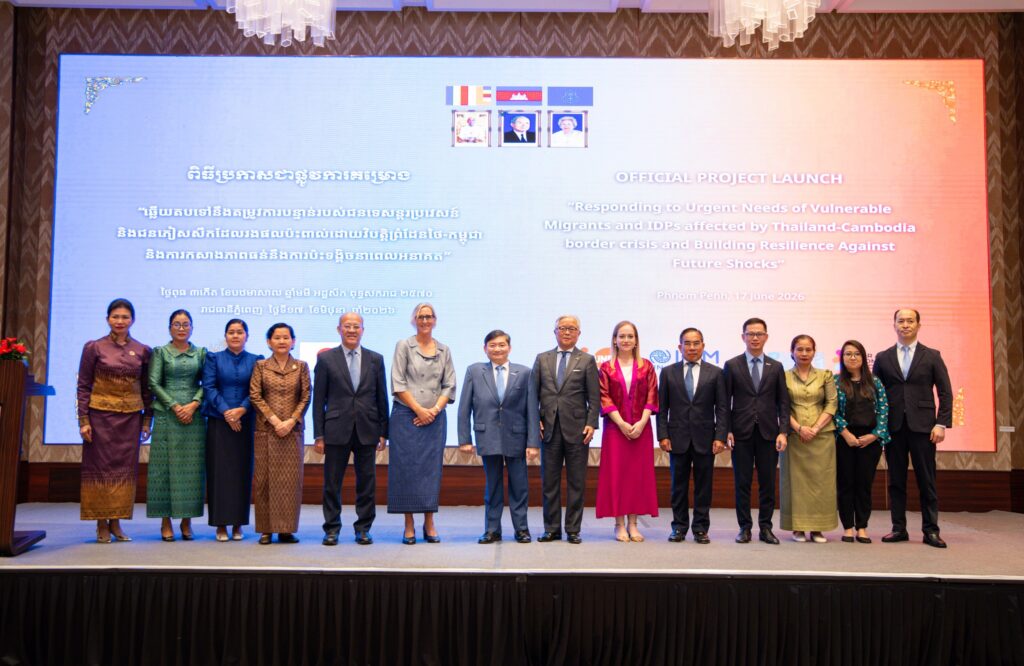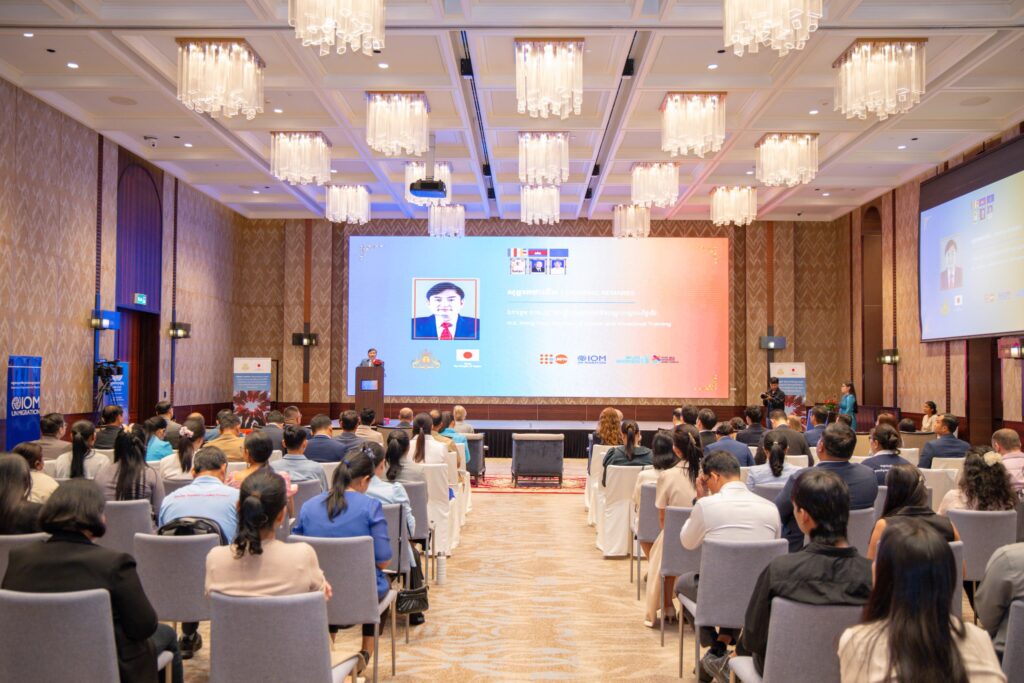
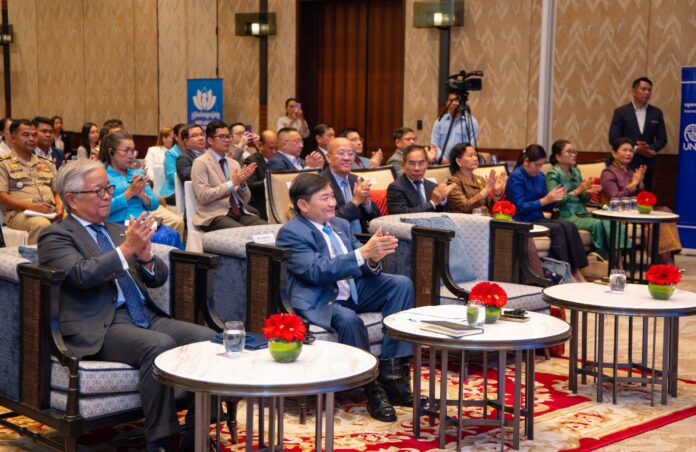
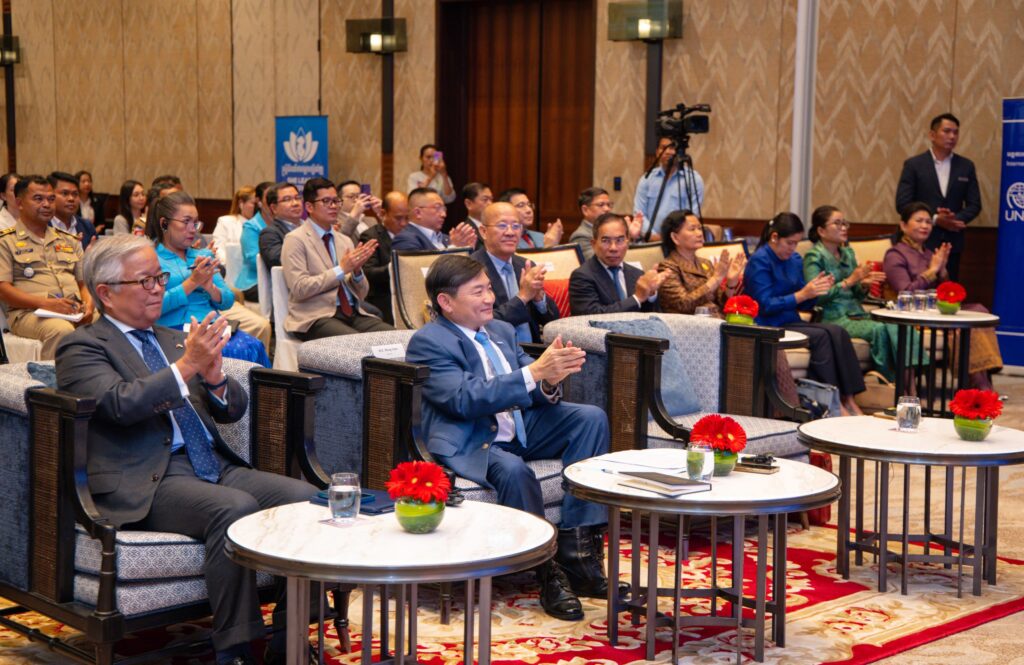
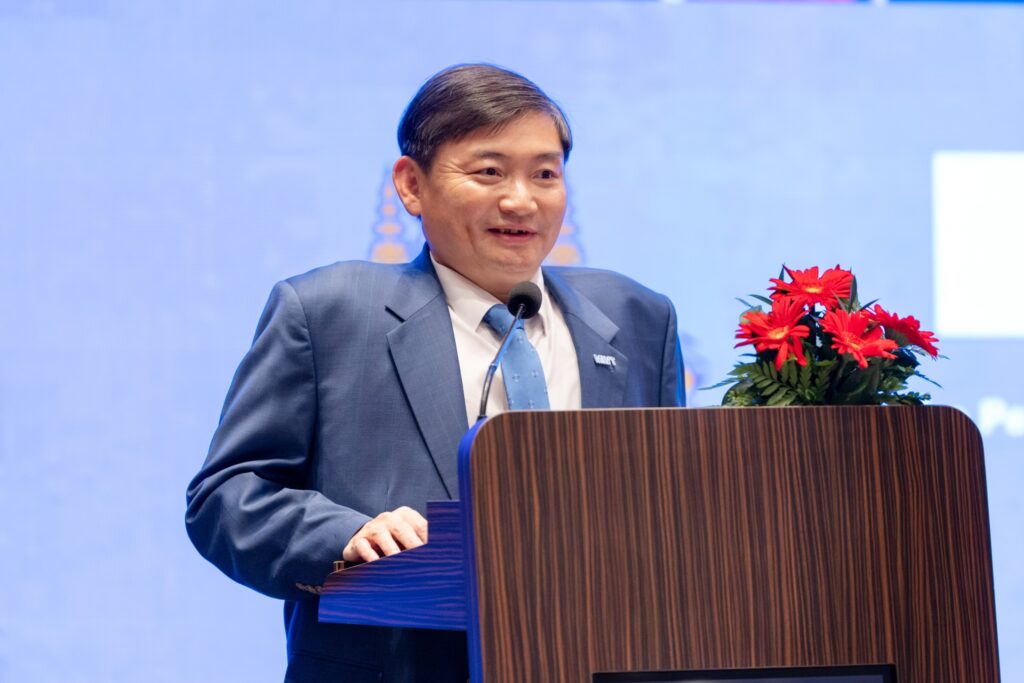
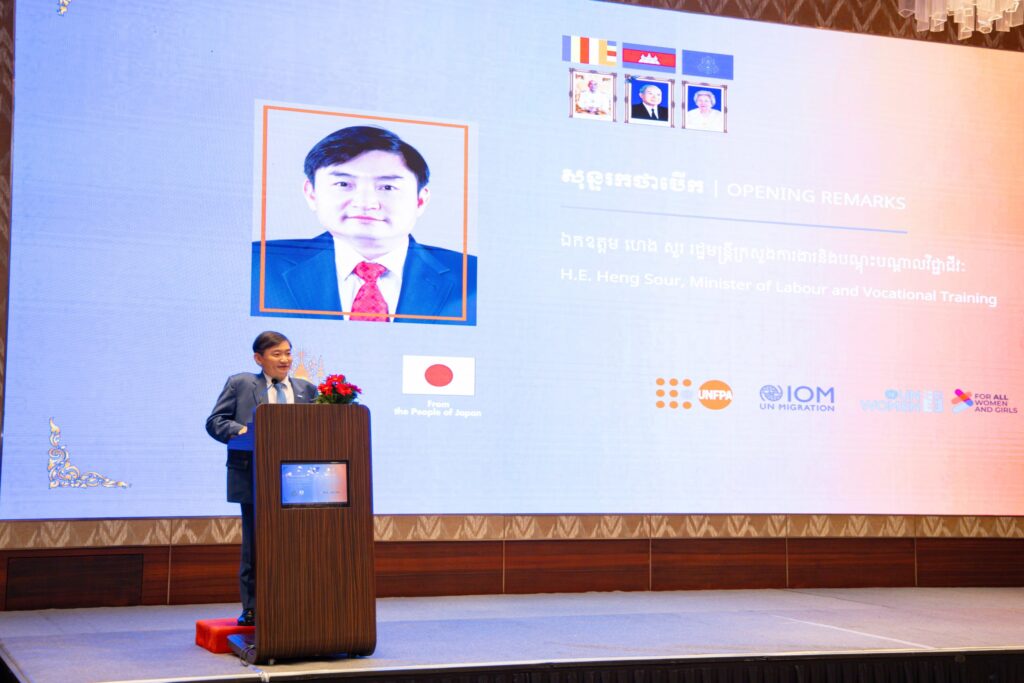
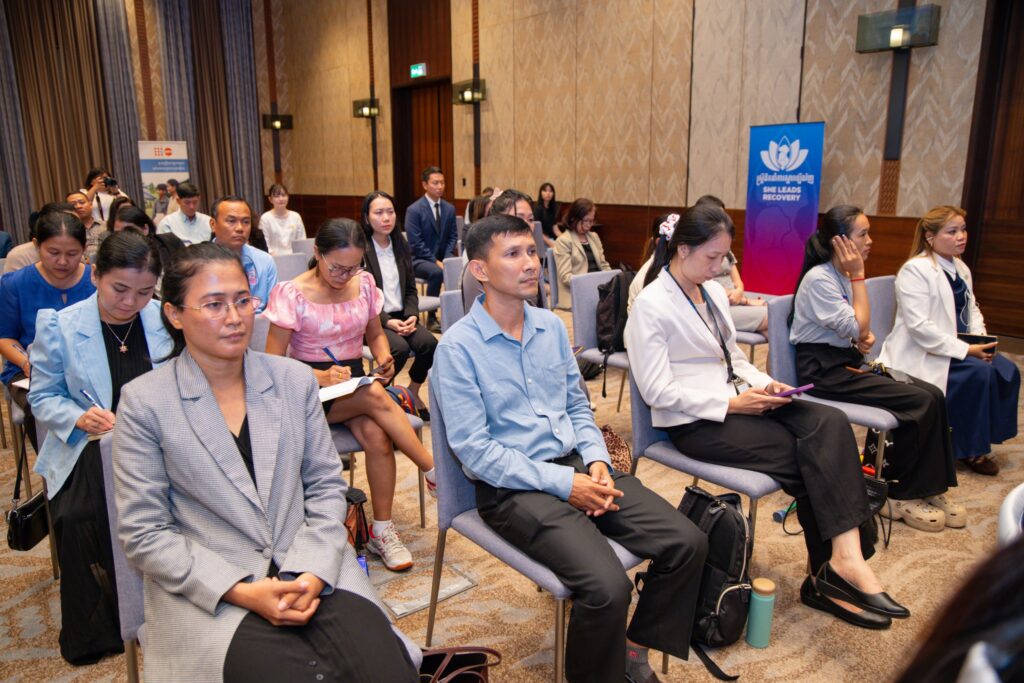
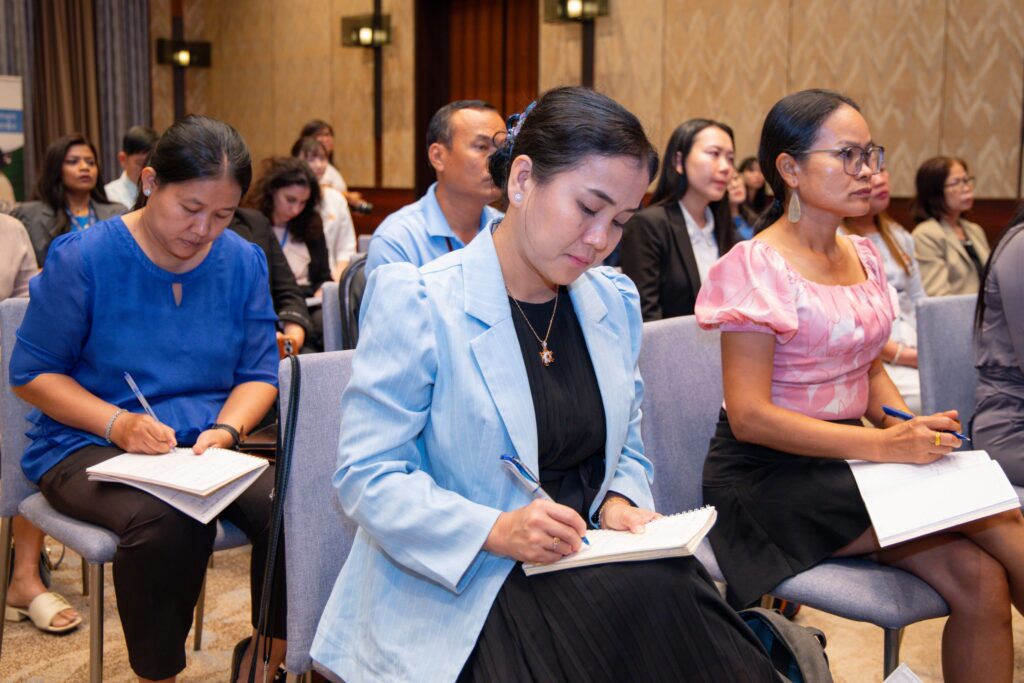
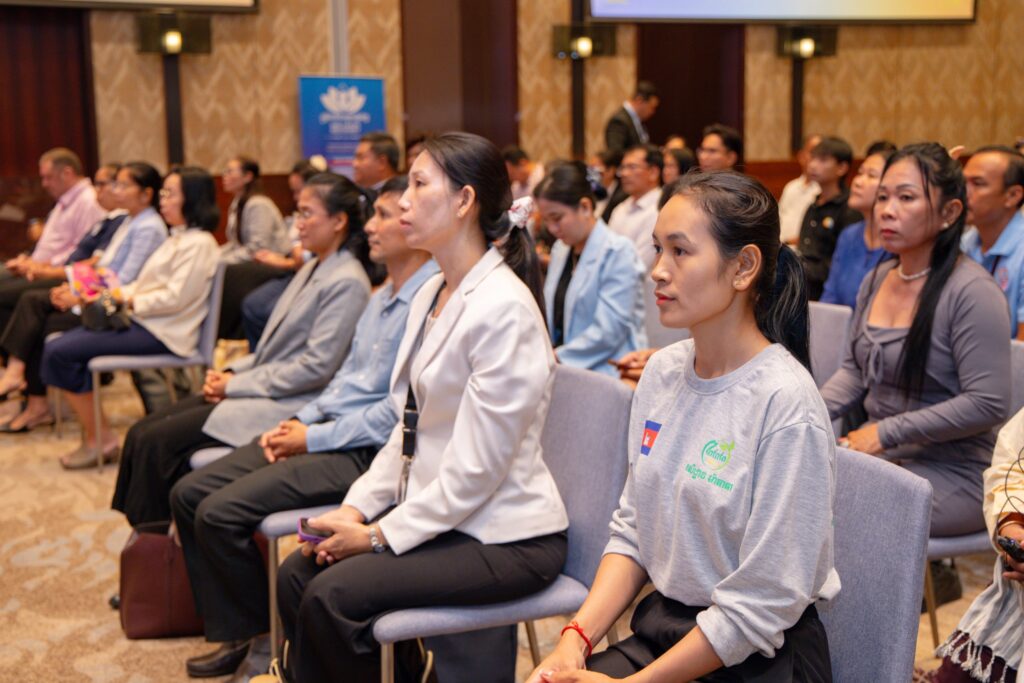
Phnom Penh: Mr. Heng Sour, Minister of Labor and Vocational Training, presided over the official launch of this important project on the afternoon of June 17, 2026 at the Hyatt Regency Phnom Penh Hotel, which is a significant achievement in the joint commitment between the Royal Government of Cambodia, the Government of Japan, and the United Nations (UN) to assist the vulnerable Cambodian people affected by the recent Cambodia-Thailand border crisis through a coordinated, accountable, and multi-sectoral response to support them in this difficult recovery phase.
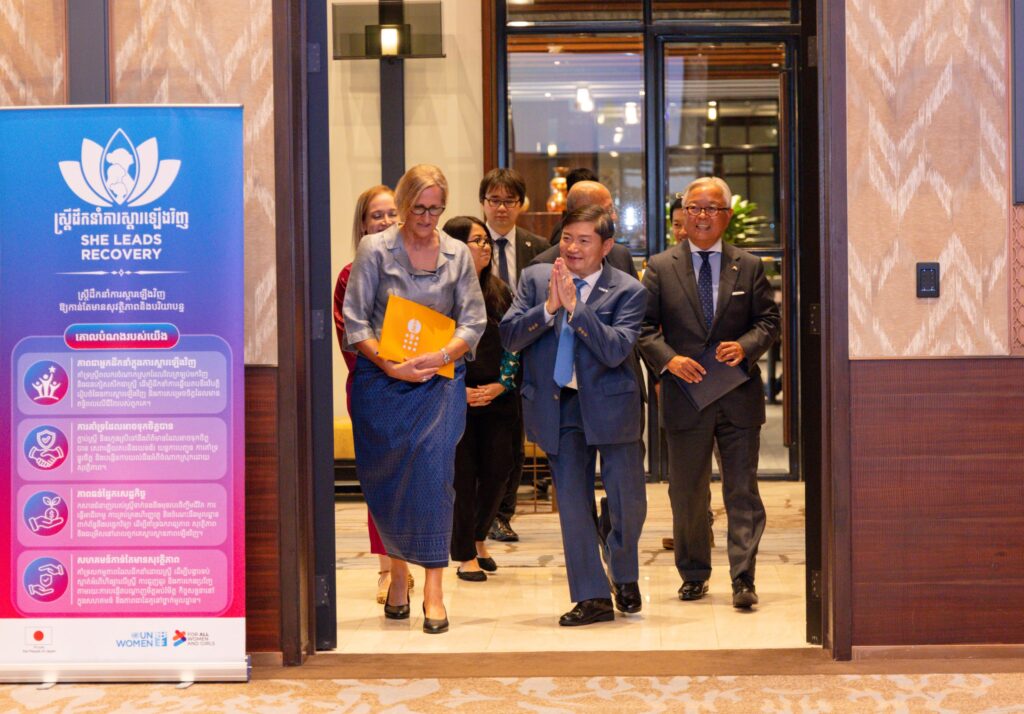
On that occasion, the Minister expressed his deep gratitude to the Government and people of Japan for supporting this additional charitable funding, emphasizing that the core objective of the project, implemented by the United Nations Population Fund (UNFPA), the International Organization for Migration (IOM), and the United Nations for Women (UN Women), in collaboration with the Ministry of Labor and Vocational Training, is to protect and promote the rights and dignity of former workers and communities at risk, giving the highest priority to the protection of women and girls through a joint response between ministries, institutions, sub-national authorities, and communities in long-term partnership with the United Nations and civil society.

He said that the Japanese government, especially Ueno Atsushi, the Japanese Ambassador to Cambodia, had been actively involved in monitoring the situation, calling for peaceful dialogue and strict respect for international law, as well as providing emergency relief assistance to refugees and former workers. The continued collaboration between the Government of Japan, the United Nations, and the Royal Government of Cambodia today is a powerful testament to the vision that reaffirms our strong solidarity in protecting dignity, promoting decent work, and ensuring that “no citizen is left behind on our path to prosperity.”
Mr. Heng Sour said that the Royal Government of Cambodia has taken swift action to maintain stability. In fact, approximately 650,000 former workers have found jobs, of which approximately 340,000 have been through the ministry’s coordination mechanisms, including the establishment of the 1297 Hotline and the organization of job fairs and forums across the country. They have also received skills training through TVET programs, especially the free recognition of previous skills. The Minister expressed his strong commitment to the successful implementation of the project. Through continued collaboration, Cambodia will be able to transform current challenges into future successes with better skills, higher-value jobs and stronger resilience.
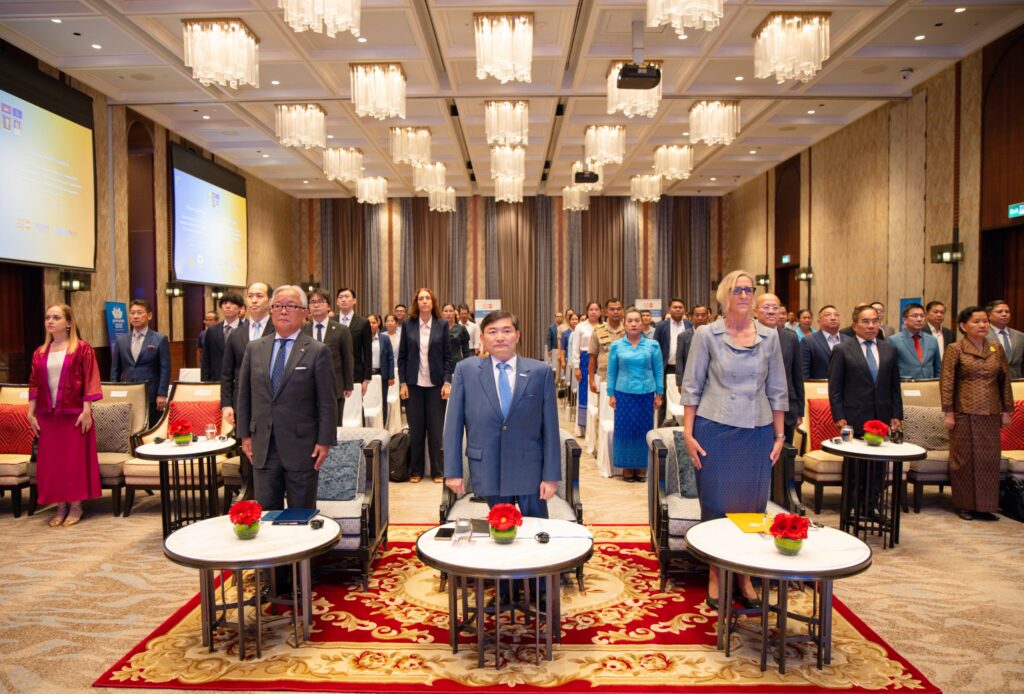
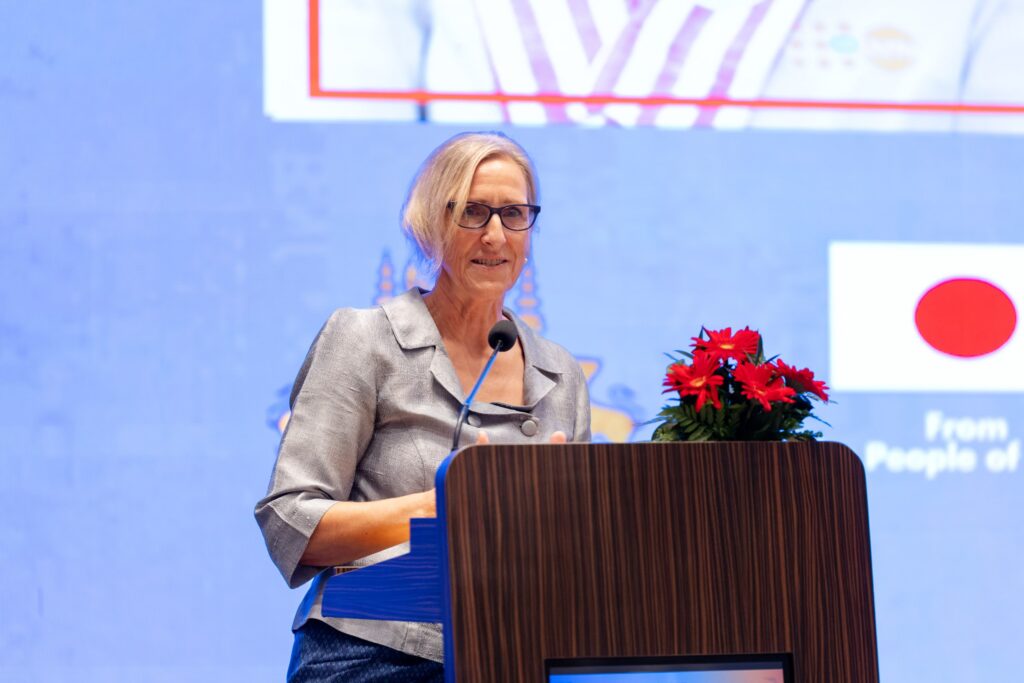
Ms. Sandra Bernklau, Acting Representative of the United Nations Resident Coordinator in Cambodia and UNFPA Representative, commended the Cambodian government for providing rapid and effective support to affected people. As well as acknowledging the important role of the Ministry of Labor in taking swift action to facilitate the return of many former workers to employment in a short period of time, she highlighted the importance of this partnership as a key factor in the joint commitment to ensuring that no one is left behind, especially in the aftermath of the crisis. For the UN, the project is not just a response to the crisis, but also a critical investment in the resilience of vulnerable communities.
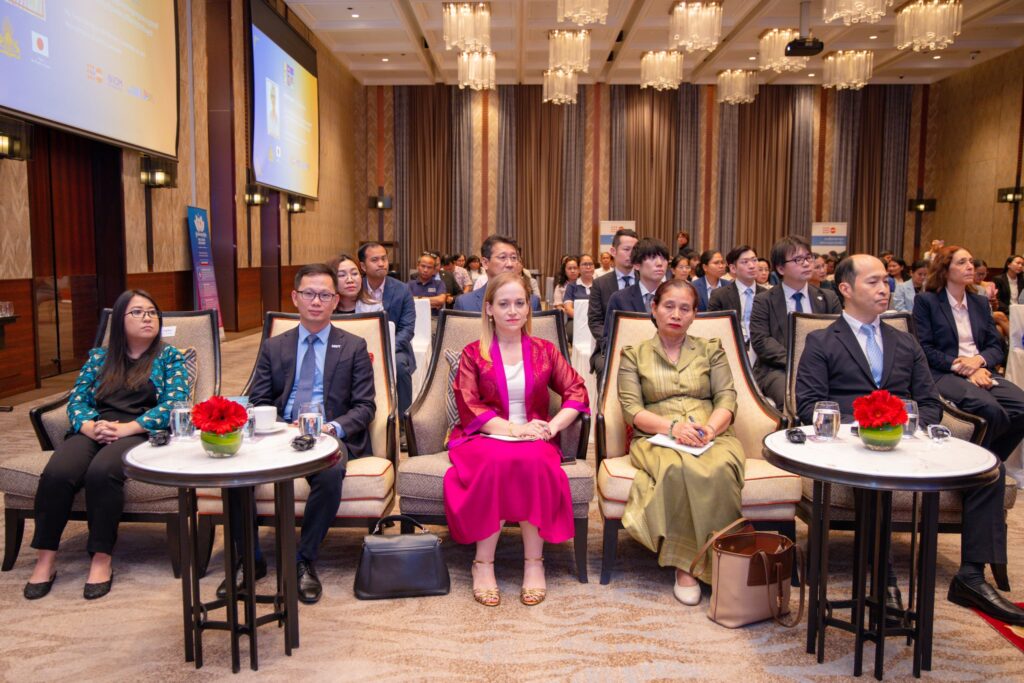
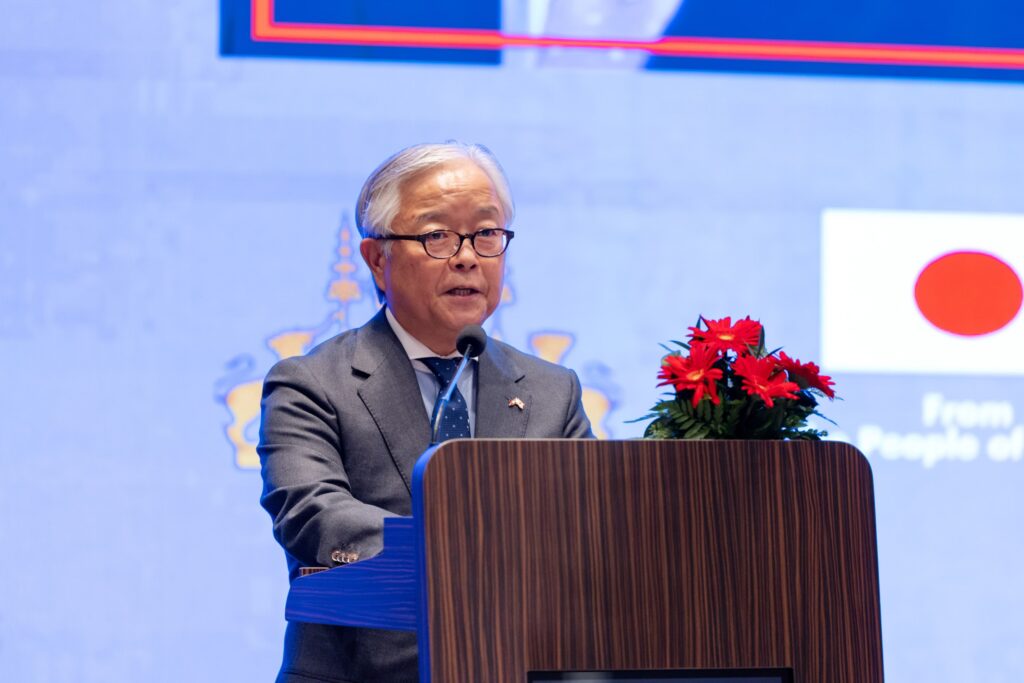
For Ueno Atsushi, the project is a continuation of the joint efforts to support former workers and refugees in various ways, including the protection of women and children. which is a necessary need for vulnerable groups. He sincerely hopes that this project will contribute to supporting the efforts of the Royal Government of Cambodia and alleviate the suffering of former workers and refugees, and the Japanese Government will continue to work closely with the Royal Government and partner organizations to support those affected by the border crisis.
 </figure
->
</figure
->




 </figure