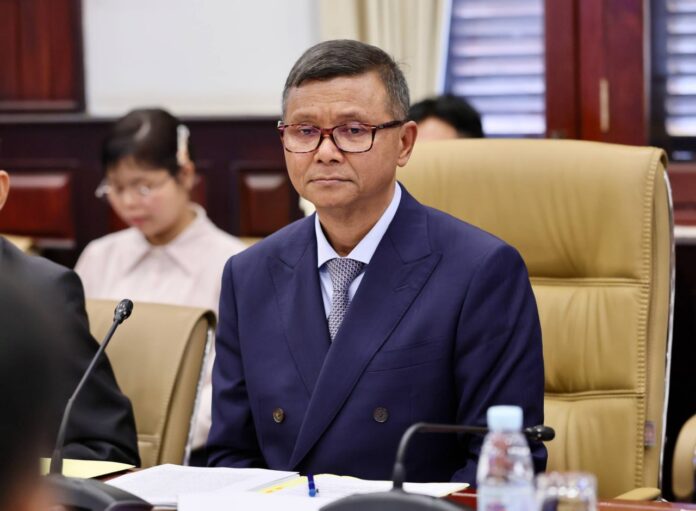
Phnom Penh: Mr. Hang Chuon Naron, Deputy Prime Minister and Minister of Education, Youth and Sports, said that the education system in Cambodia is currently changing from a one-size-fits-all approach to teaching to all students to an education system that responds to the different learning abilities of each child.
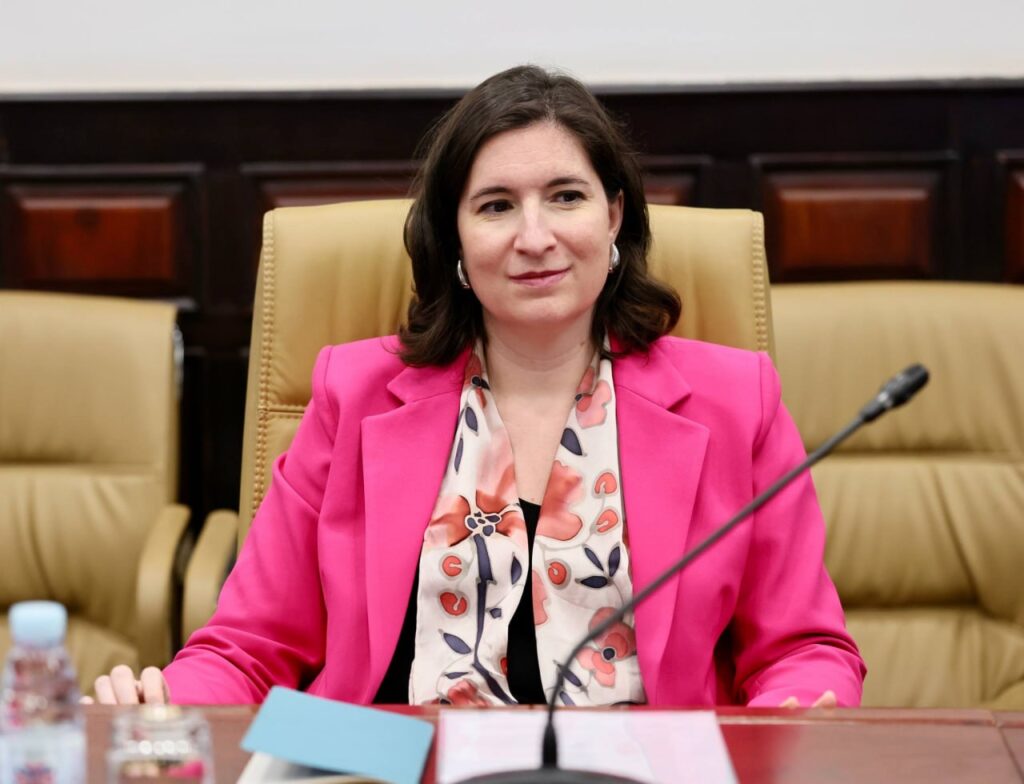
Remarks by Deputy Prime Minister Hang Chuon Naron on the occasion of leading a meeting with a World Bank delegation led by Ms. Tania Meyer, Country Manager of the World Bank in Cambodia, on the summary of the results of the mission to support the first implementation of the Basic Education Improvement Project (BEIP) on April 29, 2026.
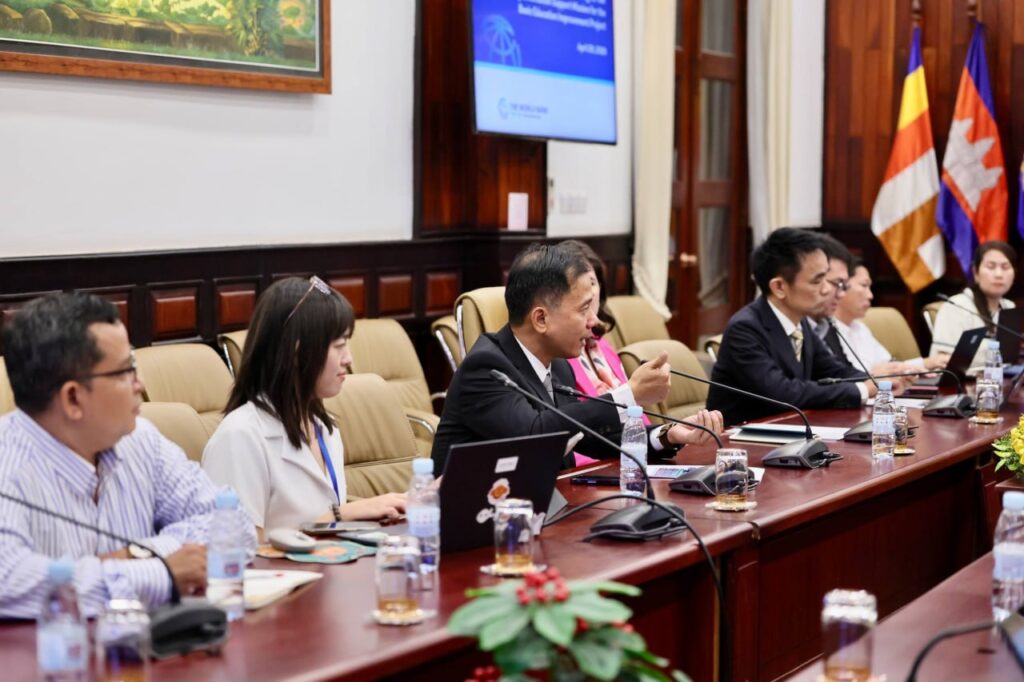
The BEIP project is designed with the strategic objective of improving the quality and efficiency of education in Cambodia, from pre-school to primary school.
On this occasion, the World Bank Country Director for Cambodia highlighted that the BEIP project is a flagship project that is moving from the planning stage to practical implementation to address challenges and improve student outcomes in Cambodia.
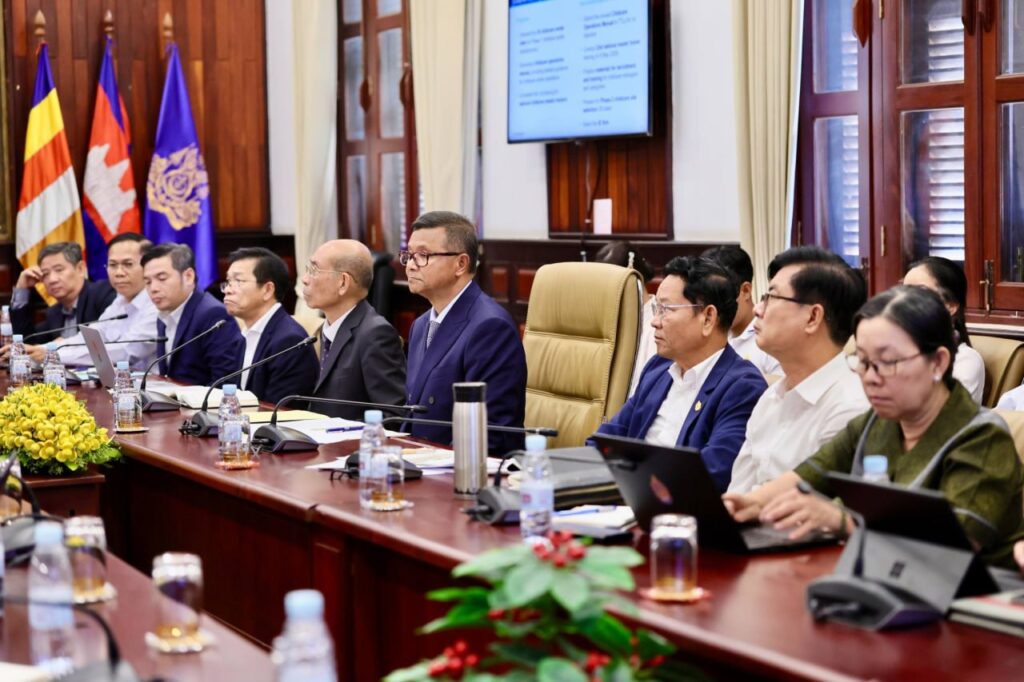
In response, the Deputy Prime Minister thanked the World Bank for its continued technical and financial support in efforts to improve the education system in Cambodia, and highly appreciated the sense of responsibility and hard work of the working groups of both parties, who collaborated well in this first mission to translate the shared vision into concrete achievements that will bring positive changes to the education system and socio-economic development of Cambodia.
The Deputy Prime Minister highlighted that “currently, the education system in Cambodia is changing from a one-size-fits-all approach to teaching to all students to an education system that responds to the different learning abilities of each child. By introducing modern teaching methods and using a variety of learning materials. This strategic change will not only help every child receive a modern education, but also help them realize their true potential to become strong human capital for the future of the nation.”
In this regard, the Deputy Prime Minister believes that by moving from administrative preparations to rigorous implementation at the classroom level, we will be able to achieve the development of human resources with the potential to move towards a knowledge-based society and sustainable growth in the future.