
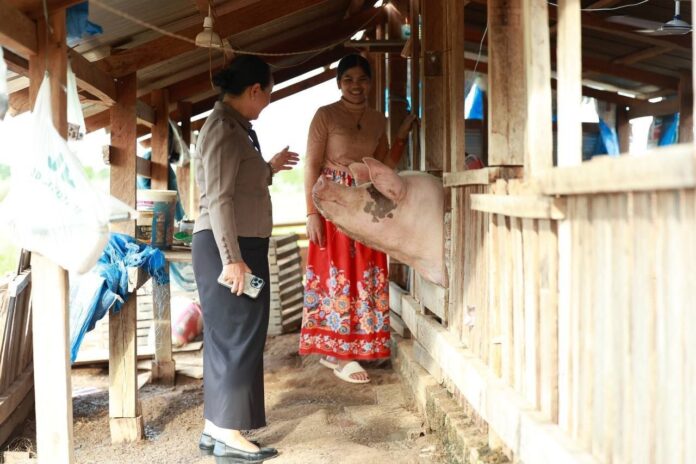
Preah Vihear Province: In a context where rural household economies need flexibility and diversification of income sources, residents of Maha Phal Village, Chheam Mak Commune, Tbeng Meanchey District have been actively adopting family pig farming to help sustain and improve their daily living standards.
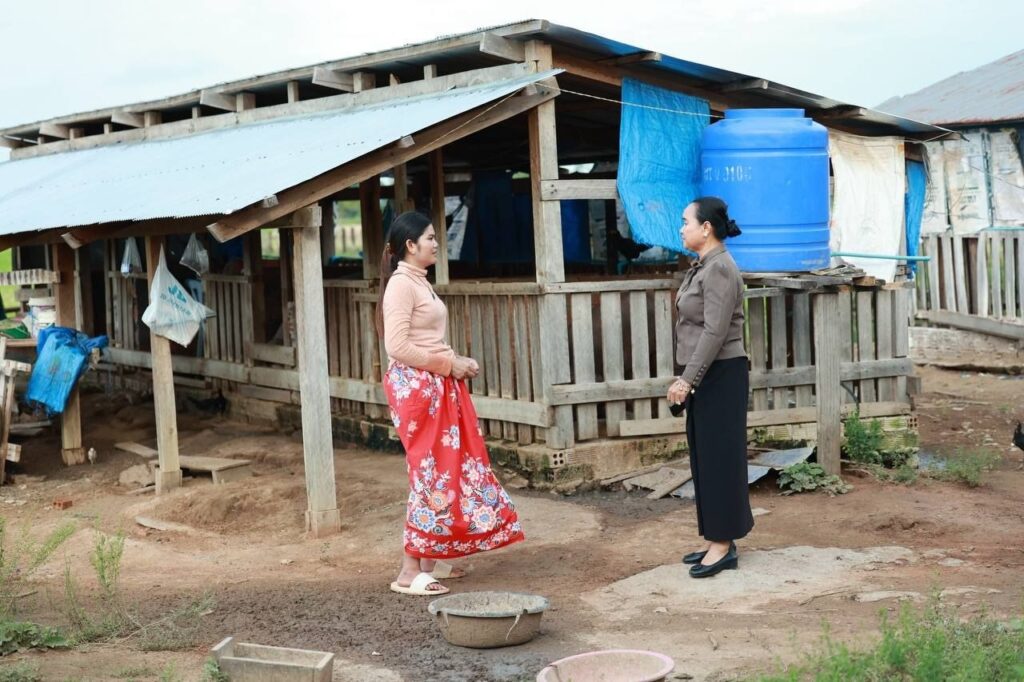
The family pig farming business is not only a secondary job, but has evolved into an important additional source of income in addition to farming, which is their main occupation.
The opportunities for flexibility and time management, based on direct interviews with local farmers, have shown the positive aspects of the division of labor within the family.
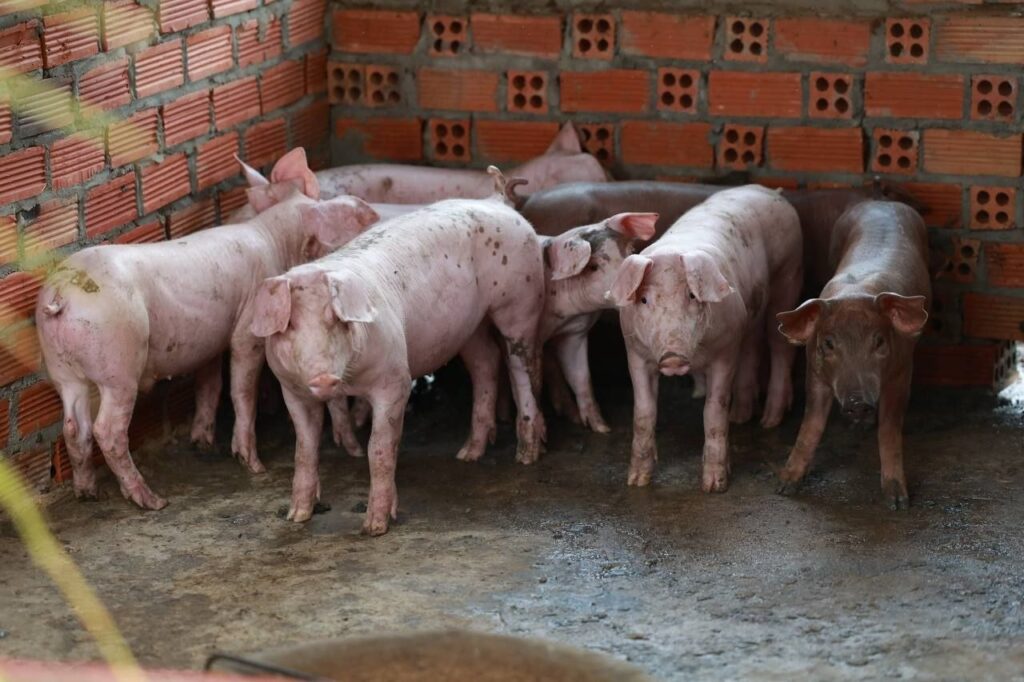
A farmer said:
Raising pigs is not too tiring, we can take time from farming to take care of them. It’s like saving money. When the big pig is sold, you get a lump sum to cover household expenses and let your child continue their education.
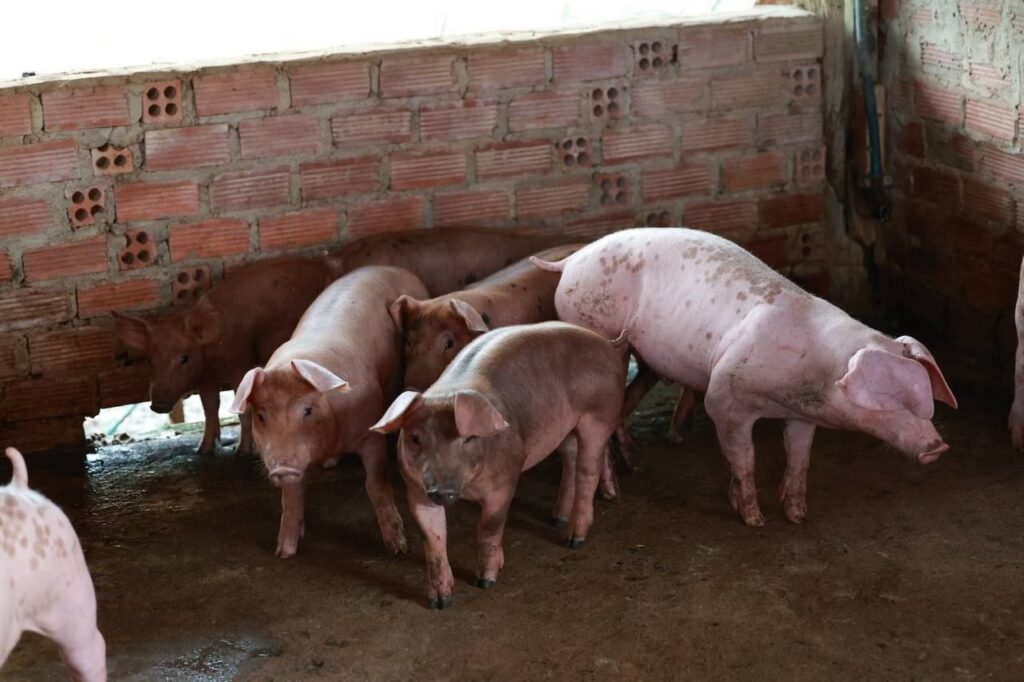
This statement reflects a smart time management strategy Farmers can profit from their free time after working to grow rice to create additional economic value without having to abandon their main occupation.
Analysis of Family Economic Education Based on the economic education aspect, the pig farming model of the people of Maha Phal village provides three important financial lessons for the rural community:
1. Converting waste into capital Family pig farming helps farmers take advantage of agricultural by-products such as bran, rice husks, or kitchen waste as feed, which reduces daily costs and increases profits.
2. The form of saving as an asset This mechanism is like a pig saving money physically. Investing in piglets and feed little by little every day is an indirect saving of money. When the pigs grow up, the result is a lump sum that can be used for larger goals.
3. Investing in human capital The money from the sale of pigs is used by farmers for a sustainable goal: the education of their children.
This helps ensure that their children have the opportunity to receive a higher education, which is key to breaking the cycle of poverty in the future. Sustainability and risk preparedness However, agricultural and rural economic experts recommend that for this family pig farming business to be sustainable and not affected by market price fluctuations, farmers should:
Strengthen animal health care: Monitor vaccination against various infectious diseases to prevent eventual capital losses.
Financial management: All expenses on feed and pesticides should be recorded to know the real profit and facilitate financial planning for the next period.
Overall, the initiative and efforts of the people in Maha Phal Village, Cheaen Mak Commune are a good example in line with community development policies, transforming existing local potential into a shield against economic risks and a strong foundation for the future of each family.
By: Suon Pisit|Tamarind Tree