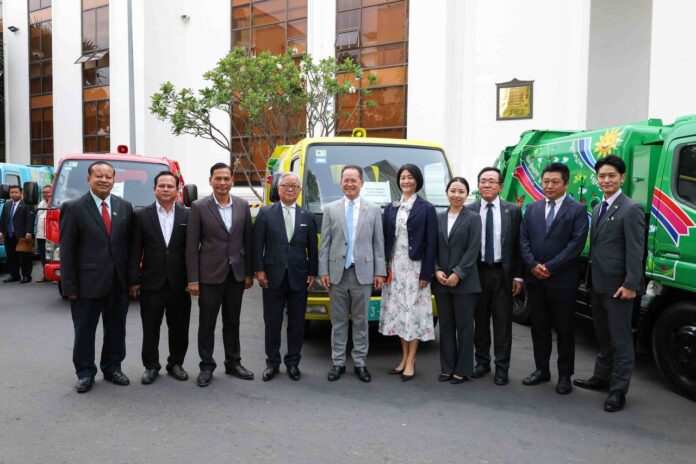
Phnom Penh: The “Clean Cambodia, Khmer Can Do It” campaign launched by the Ministry of Environment on May 15, 2024, is proving to be a resounding success. As of early 2026, 7 million students, teachers, monks, civil servants, and citizens nationwide have participated in the campaign, transforming it into a national movement for cleanliness at the grassroots level across the country, changing the mindset and behavior of millions of Cambodians to love and clean the environment in their streets and communities.
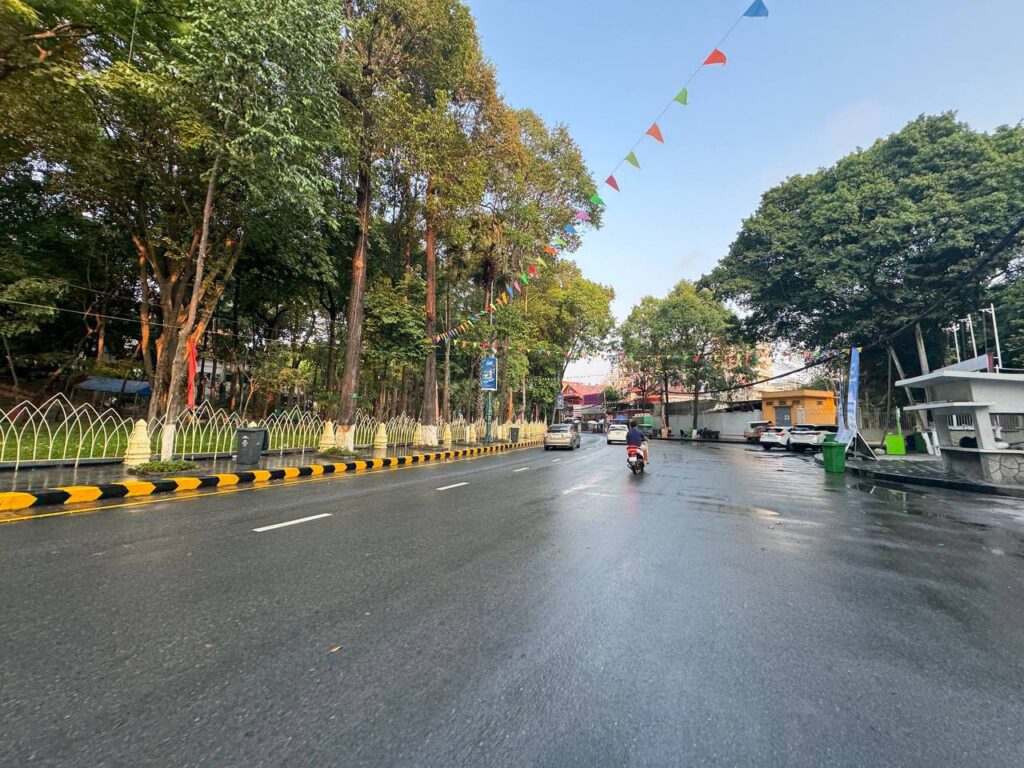
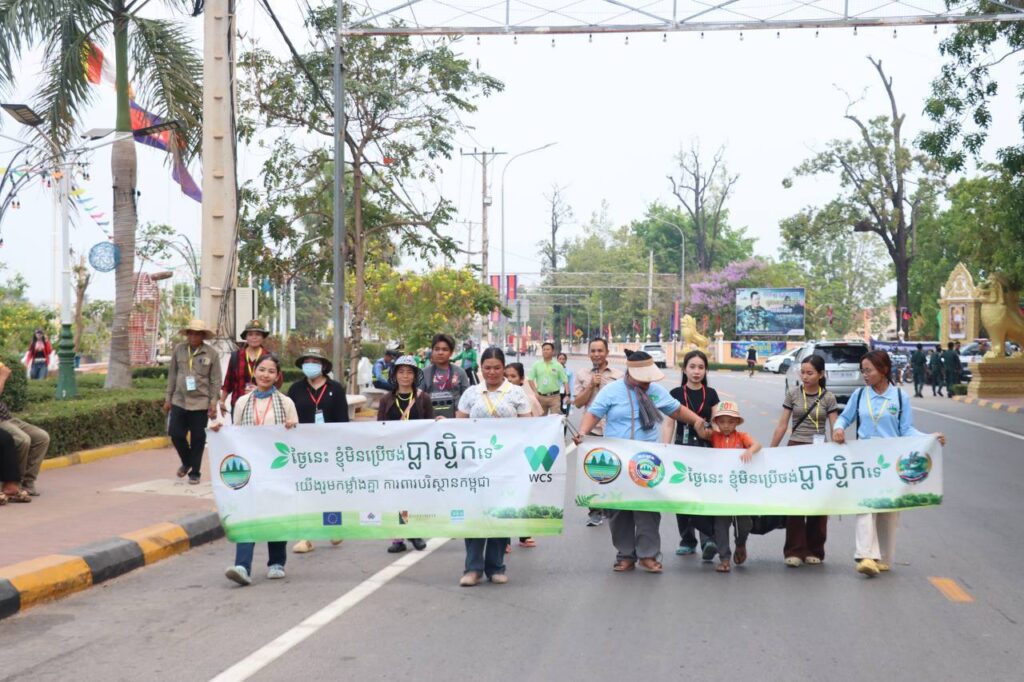
For the past 2 years, the total participation effort has been implemented by working together for at least 15 minutes every Saturday or one day a week in villages, communes, districts, or provinces to collect garbage and plastic waste around homes, schools, temples, and public places at least one day a week. And the campaign attracted about 20,000 public participation per day.
Another special activity of the movement is the elimination of garbage from national and community roads. The campaign not only helps clean up the environment, but also encourages collaboration between communities and local authorities.
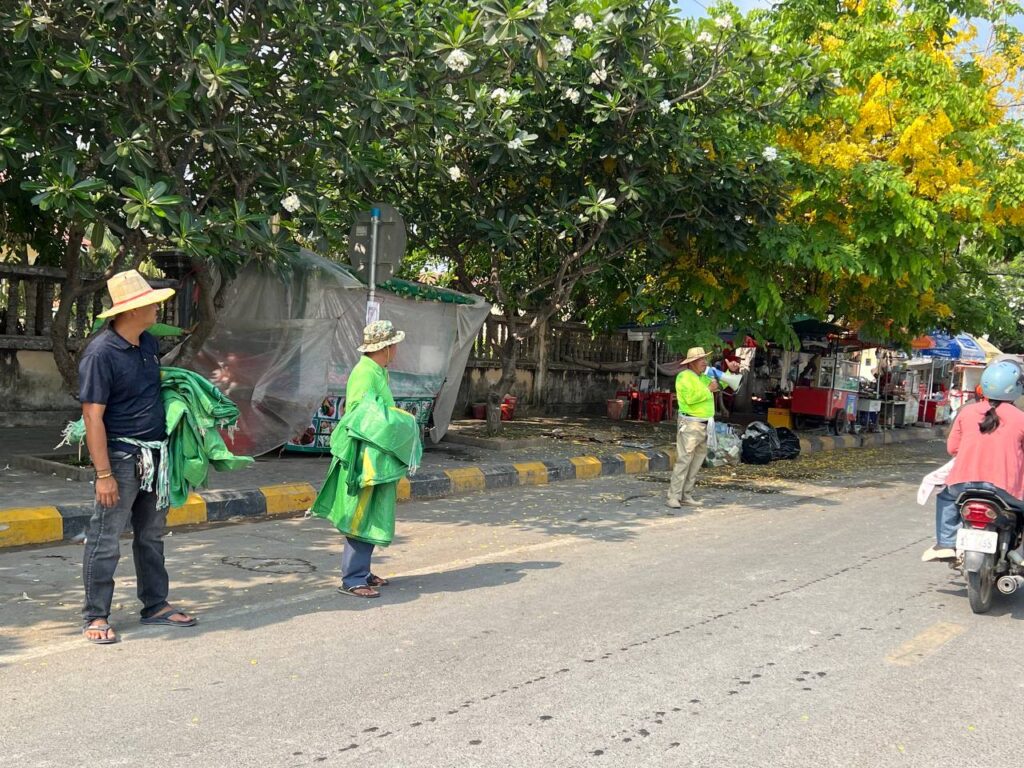
The campaign further promoted the cleanup plan through the “National Roads Without Garbage and Plastic Waste” campaign, which cleaned 94.12% of the targeted national roads across the country, of which 80-100% of the roads were clean. 75%. The campaign went hand in hand with the “Today I Don’t Use Plastic Bags” program, turning garbage collection into a movement, movement into a habit, and a habit into a culture of living cleanly from the heart.
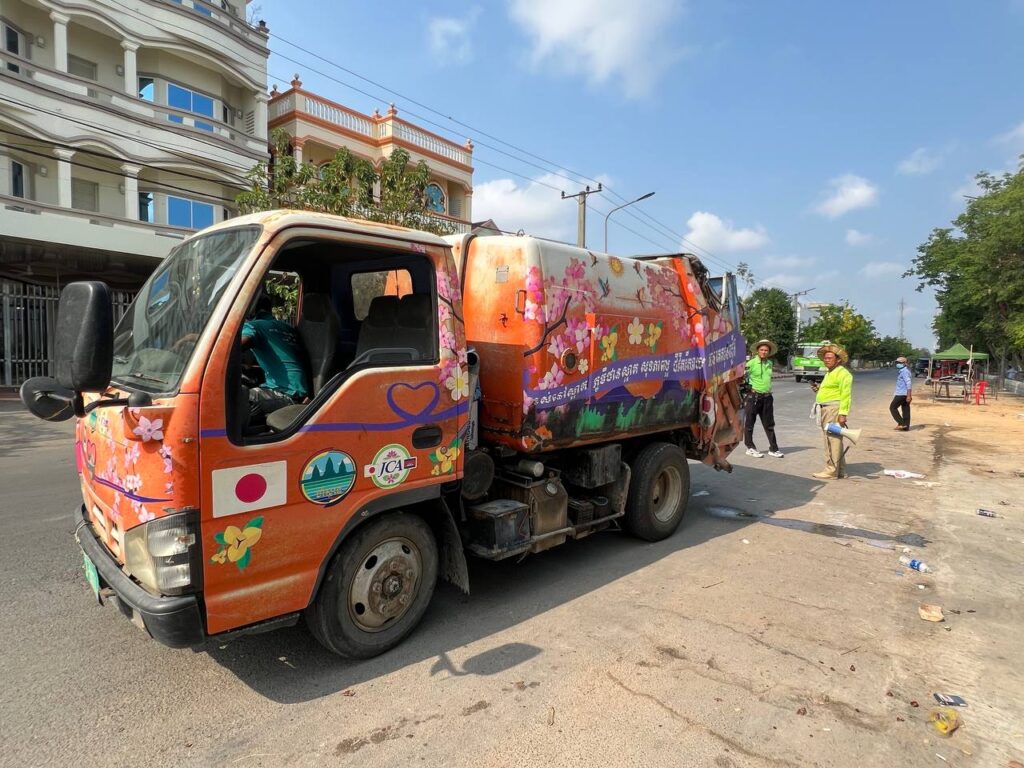
Overall, the Ministry of Environment has received support from all stakeholders to reduce plastic bags on the streets Reduce littering, making towns, cities and major roads more beautiful and free from litter as before. In addition, provide trash cans (plastic and general trash cans) to thousands of schools, monasteries and health centers to strengthen the waste and plastic waste separation structure across the country.
The Ministry of Environment’s campaign provides opportunities for participation and provides economic and social benefits, such as recycling the garbage and plastic waste collected from the campaign, which is recycled into usable materials, and the funds from sales can be used to support the education of students in rural areas.