
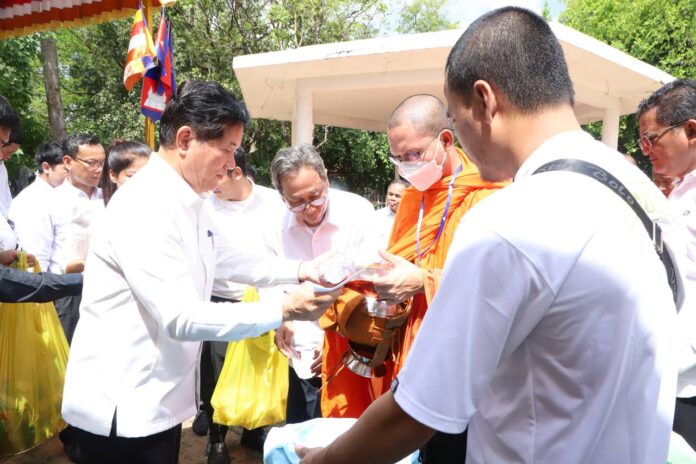
Phnom Penh: On the occasion of the 9th anniversary of the National Day of Remembrance on May 20, 2026, the Phnom Penh Administration invited 88 monks to offer prayers at the Choeung Kee Genocide Center, Choeung Kee Sangkat, Dangko Khan, under the chairmanship of Mr. Khuong Sreng, Governor of Phnom Penh, and Mr. Mab Sarin, Chairman of the Phnom Penh City Council, to pay homage to the souls of the more than 3 million innocent victims who were brutally murdered during the Pol Pot genocide.

On this occasion, Mr. Khuong Sreng said that all Cambodians still remember and will not forget the atrocities of the black-shirt killers for 3 years, 8 months, and 20 days, even though the shadow of this era has passed for more than 47 years.

In a message from Prime Minister Hun Sen on the occasion of the 9th anniversary of the National Day of Remembrance, read by Mr. Khuong Sreng, the National Day of Remembrance was established with the aim of honoring, respecting the souls and commemorating the victims who died during the Democratic Kampuchea regime, promoting the remembrance of the victims, and restoring the honor and dignity of the victims, whether they are alive or have lost their lives.
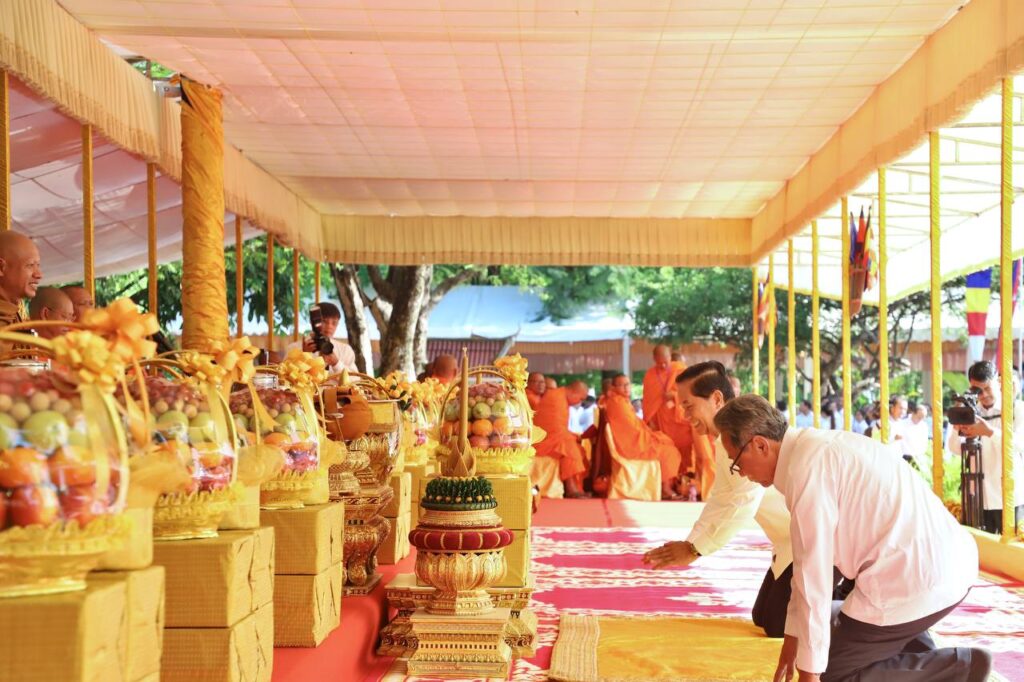
Please note that the National Assembly of the People’s Republic of Cambodia adopted May 20 as the “Day of Rage” on August 18, 1983 to express anger against the “genocidal leaders Pol Pot, Ieng Sary, and Khieu Samphan” who brutally murdered, oppressed, and tortured the Cambodian people, and has been celebrated annually since 1984. After 1993, the Royal Government of Cambodia changed the date from “Anger Day” to “Remembrance Day” until February 14, 2018, when the Royal Government of Cambodia designated May 20 as the “National Day of Remembrance”.

National Day of Remembrance has contributed to national reconciliation Promote harmony in Cambodian society and promote awareness and understanding of the atrocities that occurred during the Democratic Kampuchea regime, as well as prevent and prevent such brutal, barbaric, and genocidal regimes from happening again.